Skip to content

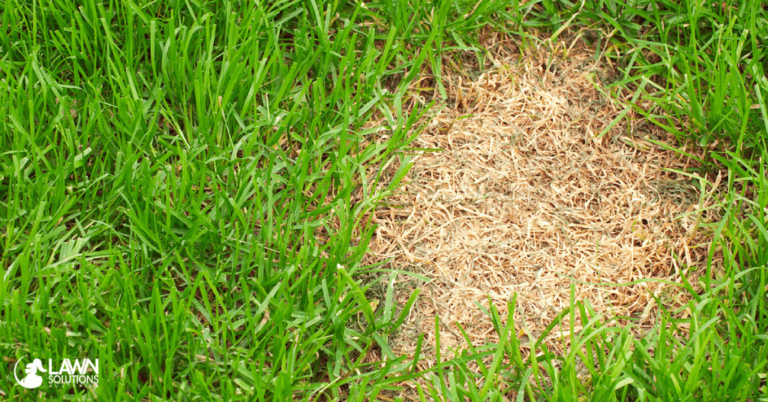
Hot and dry weather, pests, disease, and other issues can really take a toll on even the healthiest lawns, causing them to become thin and patchy. There’s nothing more frustrating for homeowners than seeing unsightly brown patches appear in their formerly lush green turf. It only takes a couple of days of hot, dry weather to affect your lawn, and suddenly you're asking, "Why is my grass dying in patches?".
Dead grass patches in lawn turf can appear for a variety of reasons, and finding the best solution starts with correctly identifying the underlying issue. This guide will walk you through the most common causes of brown patches and provide a clear, step-by-step plan for how to fix brown spots in lawn turf, restoring your grass to its best health.
Why is my Grass Dying in Patches? Unearthing the Root Causes
Dry patches in your lawn are not all created by the same issue. Before you can rejuvenate the affected turf, you need to play detective. The size, shape, and location of the patches, along with recent weather conditions, can all provide clues.
Environmental Stress and Dead Patches
Extreme summer heat and lack of moisture are the leading causes of dry patches appearing across Australian lawns. You’ll first notice the grass losing its vibrant luster, fading from a healthy green to a stressed bluish-grey or brown. If left unmanaged, these thinning areas eventually bake in the sun and become rock-hard, creating a hydrophobic barrier that prevents water and nutrients from penetrating the soil.
This condition, where the dry soil actively repels water, is known as hydrophobic soil. There is a range of causes:
Dry, Hot Weather & Other Compounding Factors
A combination of heavy foot traffic, incorrect or insufficient watering, reflective heat from paths or walls, and direct sunlight exposure can easily dry out sections of your lawn.
- Soil compaction: Heavy use from people and pets effectively tamps the soil down, preventing water penetration and starving the roots of oxygen and nutrients.
- Poor Irrigation: Uneven water distribution from your irrigation system or forgetting to move your sprinklers can leave certain areas consistently underwatered, leading to dead spots.
Lawn Grubs
If you’ve noticed a big decline in your whole lawn overnight, pests could be the culprit. Lawn grubs like the African Black Beetle or Curl Grubs live in the soil and feed on the roots of your grass, while surface-dwelling pests like Armyworm caterpillars chew on the grass blades. True to their name, Armyworms are notorious for appearing in large numbers, seemingly out of nowhere, and marching across your lawn, leaving destruction in their wake. Ultimately, pest damage can wreak havoc on an entire lawn within a week.
Indicators of Infestation
A spongy feeling underfoot and curling up of the grass layer at the edges, like old carpet, may mean the roots have been eaten away by a beetle. Increased visits from neighbourhood magpies and butcher birds swooping in on some free grub(s) are another telltale sign.
Simple ‘Pest Tests’ to ID Critter Culprits
The best method involves placing a wet hessian bag or an old towel on the edge of a damaged area of lawn overnight. In the morning, lift it to see if any grubs or caterpillars have come to the soil surface.
Alternatively, try the soapy water test. Mix 2 tablespoons of mild dishwashing liquid into 9–10 litres of water (standard bucket) and pour it over about a square metre of the affected area. Within 5–10 minutes, any pests will surface. For best results, carry out the test in the evening when grubs are most active.
Fungal Lawn Diseases
Common fungal diseases include Brown Patch and Dollar Spot. Each is caused by specific fungi and has distinct symptoms.
What to Look Out For
Brown Patch causes large, irregular-shaped patches, while Dollar Spot lesions cause small, bleached circles around the size of a coin. In the early morning dew, you might observe fine, cobweb-like white mycelium on the affected areas. As the day progresses and the grass dries, this mycelium disappears.
Common Causes
Fungal issues happen in hot, humid weather. Watering your lawn at night leaves the grass wet for a prolonged period, creating the perfect breeding ground for fungal diseases. Poor drainage and excessive thatch buildup also contribute to fungal growth. Excessive leaf litter buildup from surrounding trees can also exacerbate the problem.
Dog Urine
Dogs can cause urine scalding when they urinate on the same patch repeatedly, which they tend to do instinctively. Along with digging holes, it’s one of the biggest lawn problems our furry friends create for us. Their high-protein diets give their wee an especially high nitrogen content, and while in the right doses, nitrogen is beneficial to your lawn (it’s a key component of fertiliser), too much will burn the grass.
What to Look Out For
Dog urine damage often appears as circular patches, typically 10–20cm in diameter. You’ll notice a yellow or brown centre surrounded by a darker green ring. This ‘halo effect’ occurs because the outer area receives a diluted amount of nitrogen, which actually fertilises the grass. The patches are usually concentrated in one section of the lawn where your dog prefers to urinate.
Female dogs and larger breeds are more likely to cause urine scalding, as they tend to empty their entire bladder in one go, unlike males that mark all around the yard in smaller amounts.
How to Fix Brown Patches in Lawn: A Step-by-Step Guide
Once you've diagnosed the problem, you can take action to recover your healthy lawn. Read on to discover proven methods for how to treat brown patches in lawn and get your turf on the road to recovery.
Step 1: Aerate
First things first, it's always recommended you aerate the affected area of your lawn to improve drainage for better water and nutrient penetration. Aeration can be done with a garden fork, aerator sandals or a specialised aerator. This is crucial as it will de-compact your soil and will help nutrients and water penetrate your lawn. Aeration is much easier after a rain event or deep watering.
Step 2: Apply a Wetting Agent
Next, apply a wetting agent to the affected area. Wetting agents come in liquid and granular forms and assist with water absorption into your soil profile. This breaks down the water-repellent barrier that forms on dry soil, allowing moisture to reach the root zone. Always remember to irrigate your lawn well after applying the wetting agent.
Step 3: Apply a Specific Solution
To resolve the issue, you need to address the root cause(s):
Treating Fungal Disease
Apply a broad-spectrum fungicide according to the label directions. Fungicides generally fall into two types:
- Contact: Remain on the surface and kill fungi where applied; best for preventing new infections, but may wash off with rain or watering.
- Systemic: Absorbed by the grass and move through the plant; treats existing infections and provides longer-lasting protection.
To reduce the risk of future fungal issues, adjust your watering schedule to only water in the early morning so grass blades dry during the day.
Treating Lawn Grubs
Use a targeted insecticide designed to control lawn grubs when they appear and prevent future issues:
- Knockdown products (e.g., Bifenthrin): Act quickly to kill active grubs and caterpillars on contact. Check out our Lawn Solutions Australia’s Battle Insecticide - Liquid Form product.
- Preventative products (e.g., Acelypryn): Absorbed into the soil to target newly hatched larvae before they start feeding. Best applied in late spring to early summer, just before eggs hatch, they can provide up to 6 months of protection. Check out our Acelypryn Liquid Concentrate and Grub Guard Ultimate - Granular Turf Insecticide.
Remember, infestations can spread from neighbouring properties. Vigilance is required to maintain a pest-free lawn.
Preventing Dog Urine Burn
Water is the key. Try to saturate the area of turf with water with a hose right after the dog has urinated to flush out the nitrogen, defusing the potential for damage. You can also help prevent patches by encouraging your dog to drink enough water to dilute their urine and training them to use a designated spot, such as a garden bed or gravel area.
Step 4: Fill and Repair
For small dead or dying patches, following the steps above will often allow the surrounding grass to self-repair and spread back over the brown area. A fast-growing Bermuda grass variety like TifTuf is well-equipped to bounce back quickly, while slower-growing Zoysias and Buffalo lawn varieties might take a little longer to achieve sufficient new grass growth.
For larger dead grass patches or if you want a faster fix, the best way is to remove the dead turf completely, loosen the soil underneath, and replace it with a few pieces of new turf.
If you have a Sir Walter DNA Certified Buffalo lawn, you can purchase slabs of farm-fresh Coolabah new lawn with no minimum order quantities from Bunnings Warehouse locations across Victoria.
Long-Term Prevention: Keeping Brown Patches at Bay Year-Round
Prevention is better than a cure. So now you know how to fix dry spots in the lawn, let’s explore preventative strategies to stop them from occurring in the first place.
- Regular Watering: Water your lawn correctly, using less frequent, deeper soakings to encourage deep roots. The best time is early morning. Learn more with our watering guide.
- Mow Higher: Increase the mowing height. A slightly longer lawn provides more shade for the soil, reducing evaporation and stress.
- Manage Thatch: Dethatch your lawn in spring or autumn to remove the layer of dead material that can harbour pests and disease, preventing water from reaching the soil. Read our blog on 3 simple ways to dethatch your lawn.
- Fertilise Seasonally: A consistent feeding schedule provides your lawn with the essential nutrients it needs to maintain healthy growth and outcompete weeds and disease. Shop our extensive range of Lawn Solutions Australia fertilisers and soil conditioners.
If you have any specific lawn questions or need additional information, be sure to contact our friendly Coolabah Turf team.
Check out our lawn care blog for more helpful tips and advice on how to maintain your turf.