Skip to content

Tips for Growing a Healthy Lawn in Shaded Areas
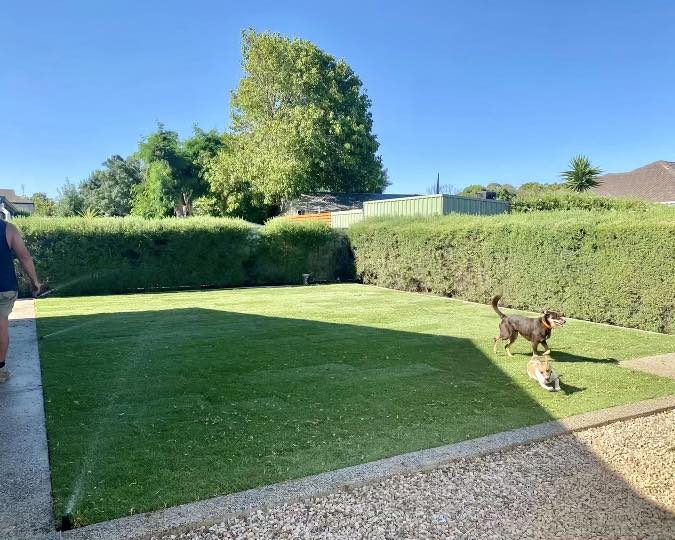
Shaded lawns can be one of the trickiest parts of a garden to get right. Whether it's tree cover, fencing, neighbouring buildings or the southern side of your home, reduced sunlight can quickly lead to thin grass, patchy growth and ongoing frustration if the lawn isn't managed correctly.
The good news? You don't have to give up the backyard of your dreams! With the right turf variety and a few smart care strategies, shaded areas can still be lush, green and resilient. Here are our top Coolabah Turf tips to help your lawn thrive in the shade.
Understand Your Shade Conditions
Not all shade is created equal, and before choosing turf or changing your lawn care routine, it's worth taking time to understand what you're working with. Pay attention to how many hours of direct sunlight the area receives each day (and yes, even winter sun counts!). Consider whether the shade is dappled and filtered through trees, or dense and full from a structure like a wall or fence. It's also important to note how things change with the seasons, as areas that get decent sun in summer may be heavily shaded through winter.
Most turf varieties need at least three hours of direct sunlight per day to perform well, so knowing exactly what your space gets makes all the difference when it comes to choosing the right grass.
Choose a Turf Variety That Handles Shade
This is the single most important step for success in a shaded lawn.
At Coolabah Turf, we only grow varieties that are proven performers, and when it comes to shade, some clearly outperform others.
Sir Walter DNA Certified Buffalo is our number one recommendation for shaded lawns. It performs exceptionally well in light to moderate shade, is soft underfoot, low maintenance and ideal for family backyards. Sir Walter handles as little as three hours of sunlight per day, making it a reliable choice around homes, trees and courtyards.
Sir Grange Zoysia is a premium option for feature gardens and landscaped spaces. Once established, Sir Grange can tolerate partial shade while offering a fine-leaf, high-end finish with slower growth and reduced mowing. It's best suited to low-traffic areas where presentation is a priority.
On the other hand, Couch and Kikuyu varieties generally require higher sunlight levels and will struggle long-term in shaded environments. And if an area receives less than two to three hours of sun per day, turf may not be the best solution for you. Alternative ground covers or hard landscaping might be a more practical option for those spots, or the opportunity for a pretty garden bed!
Prepare the Soil Thoroughly
Shaded lawns often compete with tree roots and suffer from compacted or nutrient-poor soil, so preparation is key before any turf goes down.
Start by clearing the area of debris, surface roots and old grass. From there, improve drainage with a quality underlay soil and incorporate organic matter to boost overall soil health. Applying a starter fertiliser before laying is also essential. With every Coolabah Turf order, we include this complimentary so you're set up for success from day one with us! Healthy soil leads to stronger roots, and stronger roots lead to better shade tolerance. It's that simple.
Adjust Your Mowing Height
One of the most common mistakes in shaded lawns is mowing too short. In low-light areas, the grass needs every bit of leaf blade it can get to capture sunlight and fuel healthy growth.
For shaded sections of your lawn, raise your mowing height and avoid removing more than one-third of the leaf at a time. Keeping your mower blades sharp also helps, as a clean cut reduces stress on the plant and promotes quicker recovery. Longer leaf blades allow the turf to absorb more light, improving overall lawn health.
Be Smart With Watering
Because shaded lawns dry out more slowly than areas in full sun, overwatering is a common trap that can lead to fungal issues and disease.
The best approach is to water less frequently but more deeply, and always check moisture levels before turning on the irrigation. Watering in the morning rather than at night gives the lawn time to dry throughout the day, which goes a long way in preventing the kind of fungal problems that are common in shaded, damp environments. We often suggest making your morning coffee and putting the sprinklers on! Good airflow around the lawn helps too.
Fertilise Lightly but Regularly
Shaded turf doesn't need heavy feeding, but it does benefit from consistent, balanced nutrition. A slow-release fertiliser applied during active growth periods, such as spring and early autumn, will keep the lawn well-nourished without encouraging the kind of weak, leggy growth that comes from high-nitrogen applications.
A well-fed lawn is simply better equipped to cope with lower light conditions, so little and often is the approach to aim for. Coolabah Turf have a range of fertilisers available from their online store, and the team of expert turfies are always happy to suggest what your lawn may need.
Improve Light and Airflow Where Possible
Sometimes small changes around the garden can make a surprisingly big difference to a shaded lawn. Pruning tree canopies to allow more filtered sunlight through, trimming hedges back from lawn edges and regularly clearing leaf litter to prevent smothering are all simple steps that can improve conditions noticeably. Even an extra hour of light each day can dramatically lift the performance of your turf. Who doesn't love a little extra warmth each day!!
Shade Doesn't Mean Settling
A shaded lawn doesn't have to be thin, muddy or high maintenance. With the right turf choice, correct installation and a few tailored care habits, you can enjoy a healthy, green lawn, even in the trickiest spots of your garden.
If you're unsure which turf is right for your space, our friendly team is always happy to help. At Coolabah Turf, we've built our reputation on supplying turf that's grown for real Australian conditions, backed by our expert advice and a 10-year product warranty.