Skip to content

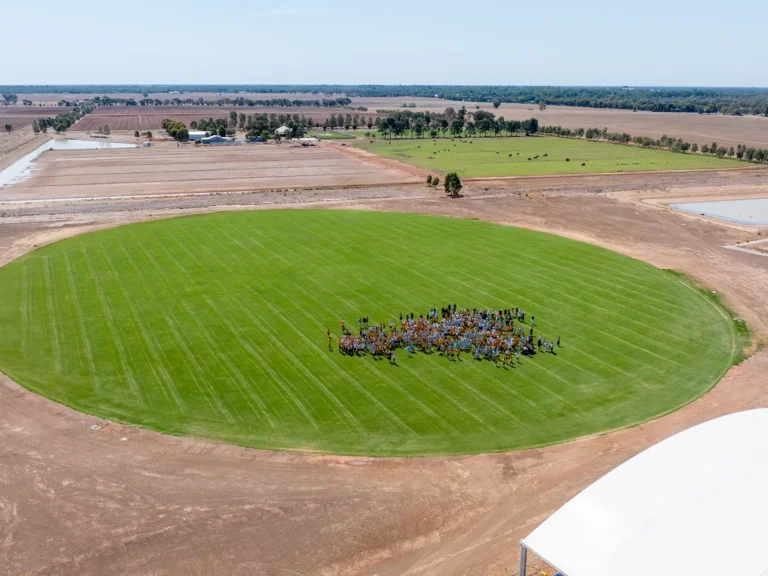
There's a particular kind of pride that comes with a well-kept school oval. It's the kind of space that gets used every single day. By the kids who run on it at lunch, the sports teams that train on it after school, and the whole community that turns up on a Saturday morning for a winter fixture. A good oval holds all of that. A neglected one, gradually and quietly, stops being able to.
What most schools discover at some point is that turf doesn't fail all at once. It deteriorates slowly, through heavy foot traffic, seasonal stress, drainage issues, and the natural wear that comes from being one of the most-used surfaces on any campus. By the time a bare patch becomes impossible to ignore, the cost of fixing it properly is almost always higher than it would have been had the work been planned in advance.
That's the case for building turf replacement into your school's annual budget — not as a reactive spend, but as a planned one.
The cost of waiting
Schools that treat turf as a set-and-forget asset tend to find themselves in the same position eventually: a surface that's deteriorated past the point of simple repair, a budget request that's larger than expected, and a timeline that doesn't leave much room for repair and establishment before the next season begins.
Turf replacement done reactively is almost always more disruptive and more expensive than turf replacement done on a schedule. A planned program allows you to stage the work across areas of the school, time installation around the academic calendar, and avoid the rush that comes with trying to get a new surface down before term starts or a major sporting event arrives.
It also makes for a much stronger budget submission. A proposal that says we are proactively maintaining a key school asset on a planned replacement cycle is a very different conversation to one that says our oval has failed and we need emergency funding.
What a turf replacement program actually looks like
It doesn't need to be complicated. A simple annual assessment of your school's turf areas — oval, courts surrounds, high-traffic pathways, garden edges — gives you a clear picture of what's in good shape, what needs attention in the coming year, and what can reasonably wait another season.
From that assessment, you can build a modest but meaningful line item into your annual budget bid that covers the highest-priority areas. Over time, this kind of planned maintenance approach means your turf never reaches the point of failure. Instead, it's quietly, consistently kept to a standard the whole school community can use and enjoy.
Grass varieties matter here too. Choosing a variety suited to your school's specific conditions, such as the amount of shade on your oval, your local climate and the intensity of use during winter sport season, means your turf investment lasts longer and performs better. This is worth getting right from the outset, and it's exactly the kind of guidance the team at Coolabah Turf can provide.
Getting ahead of budget season
One of the most useful things you can do before your annual budget bids are due is to have an accurate, site-specific quote in hand. A figure that's been properly measured and assessed — rather than estimated from memory or guesswork — makes for a much more credible submission, and it means you're not scrambling to get numbers together at the last minute.
At Coolabah Turf, we're happy to come out to your school, walk the grounds with you, and provide a full measure and quote before your budget preparation begins. There's no obligation; it's simply a way of making sure you have the information you need to plan properly, and to make the strongest possible case when budget bids are submitted. Because at Coolabah, we believe in building healthy communities, and that starts at school and in the outdoors.
If you're heading into budget season and turf replacement is on your radar, reach out to the Coolabah team and we'll arrange a time to come out. A little planning now goes a long way toward keeping your school grounds in the shape your students deserve.
Call the Coolabah Team today.