Skip to content
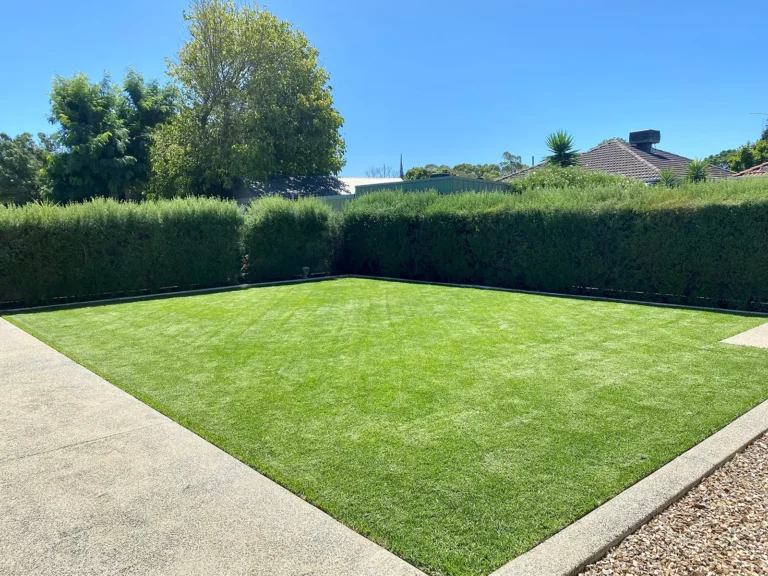
There is a specific kind of pride that comes with a perfect lawn. It’s the centrepiece of the Australian backyard, the stage for summer cricket, the soft landing for the kids, and the first thing you see when you pull into the driveway. But for many homeowners, that dream feels perpetually out of reach because of what lies beneath the surface: heavy, stubborn clay.
If your yard turns into a sticky swamp after a downpour or sets like a sheet of concrete in the heat, you aren't alone. However, having a difficult soil profile doesn't mean you have to settle for a struggling yard. Finding the best grass for clay soil in Australia isn’t just about choosing a colour; it’s about matching the biology of the plant to the chemistry of the ground.
With the right preparation and a variety specifically bred for resilience, you can transform even the most challenging site into a lush, high-performance masterpiece.
What is Clay Soil?
Before we jump into the grass varieties, we need to understand the beast we’re dealing with. Not all dirt is created equal. In Australia, we see everything from the sandy soils of the coast to the rich loamy soils of the river flats. But clay soil is a different kettle of fish entirely.
The Science of the Squeeze
Clay is made up of incredibly tiny clay particles. These particles are flat and pack together tightly, unlike the larger, round sand particles found in lighter soils. Because they pack so close, there’s very little room for air or water to move through. This leads to what we call poor drainage.
However, it’s not all bad news! Clay has a high cation exchange capacity. In plain English? It’s actually fantastic at holding onto nutrients. While sandy soils let fertilisers wash straight through, clay hangs onto them. The trick is improving the soil structure so your grass roots can actually reach those nutrients without drowning or suffocating.
How to Identify Your Soil Type
Not sure if you’re working with clay? Here are three quick "Coolabah-approved" tests:
- The Ribbon Test: Take a handful of moist soil and roll it into a sausage shape. If you can squeeze it out between your thumb and forefinger to create a "ribbon" longer than 5cm without it breaking, you’ve got heavy clay soils.
- The Drainage Test: Dig a hole about 30cm deep and fill it with water. If it’s still sitting there an hour later, your soil's ability to drain is compromised by a heavy clay base.
- The Summer Crack: During the summer months or periods of low rainfall, does your ground develop deep, jagged cracks? That’s the clay shrinking as it loses moisture.

Top Contenders: The Best Grass for Clay Soil Australia
When you’re laying turf on clay, you need a resilient lawn that can handle "wet feet" during the winter and stay drought-tolerant when the mercury rises. At Coolabah Turf, we’ve spent decades testing lawn varieties to see which ones truly thrive in these tough Australian conditions. Here are the champions for your clay-based backyard:
1. Sir Walter DNA Certified Buffalo: The Versatile Legend
If there’s one king of Australian lawns, it’s Sir Walter. This buffalo grass is practically built for Australian conditions.
- Why it works for clay: Sir Walter has a deep root system and a robust nature. It is well suited to clay because it can tolerate waterlogged conditions better than most other varieties.
- Performance: It features glossy green leaves and a dense carpet that naturally outcompetes weeds.
- Maintenance: It is a relatively low-maintenance option, requiring less mowing than vigorous varieties like Kikuyu. Its shade tolerance also makes it perfect for those tricky spots in the garden bed or near the fence line.
2. TifTuf Hybrid Bermuda: The Water-Smart Warrior
As a couch grass lawn, TifTuf is the gold standard for sustainability. It was the first turf grass to be awarded Smart Drop Certification in Australia.
- Why it works for clay: While some couch grass varieties struggle with the compaction of clay, TifTuf’s aggressive, healthy growth and incredible drought tolerance allow it to punch through. It establishes its grass roots lightning-fast.
- Performance: It stays green longer into winter and wakes up earlier in early spring than almost any other warm-season grasses.
- Maintenance: It loves full sun and handles heavy foot traffic like a pro. If you have kids or dogs doing zoomies, this is the best grass for clay soil for you.
3. Eureka Premium VG Kikuyu: The Fast and Furious
For those who want a perfect lawn that grows vigorously and can repair itself in a heartbeat, Eureka Kikuyu is a "turfie" favourite.
- Why it works for clay: Kikuyu is a fast-growing grass that isn't particularly fussy about soil type. It can handle the moisture retention of clay quite well, provided the area doesn't stay completely submerged for weeks.
- Performance: It maintains a great year-round colour in many parts of Australia, including Victoria.
- Maintenance: Be prepared for regular mowing during the growing season. This isn't a "lazy man’s" lawn, but its resilience is unmatched.
Preparing Your Ground: The Secret to Success on Clay
You wouldn't build a house on bad foundations, and you shouldn't start a new lawn on raw, compacted clay. To get the most out of your grass varieties, you need to improve soil structure before the new turf arrives.
1. Use a Clay Breaker (Gypsum)
Gypsum is a miracle worker for heavy clay soils. It works at a molecular level to react with the clay particles, causing them to clump together. This creates larger gaps between the particles, which helps improve drainage and allows oxygen to reach the grass roots. Apply a heavy dose of clay breaker before you even think about laying turf.
2. Adding Organic Matter
Clay lacks the "fluffiness" of loamy soils. By adding organic matter, such as well-rotted manure or high-quality compost, you introduce life back into the soil. This organic material acts as a buffer, preventing the clay from setting like concrete. It also provides a slow-release nutrient boost for your new lawn.
3. The Sandy Loam Top-Dress
We always recommend a layer of high-quality topsoil (an 80/20 sandy loam mix) over your clay base. This gives the new turf a friendly environment to strike its first roots while the gypsum works its magic on the clay underneath.
Lawn Care: How to Manage a Lawn on Clay Soil
Once your buffalo lawns or couch grass are established, the job isn't over. Lawn care on clay requires a slightly different strategy than on sandy soils.
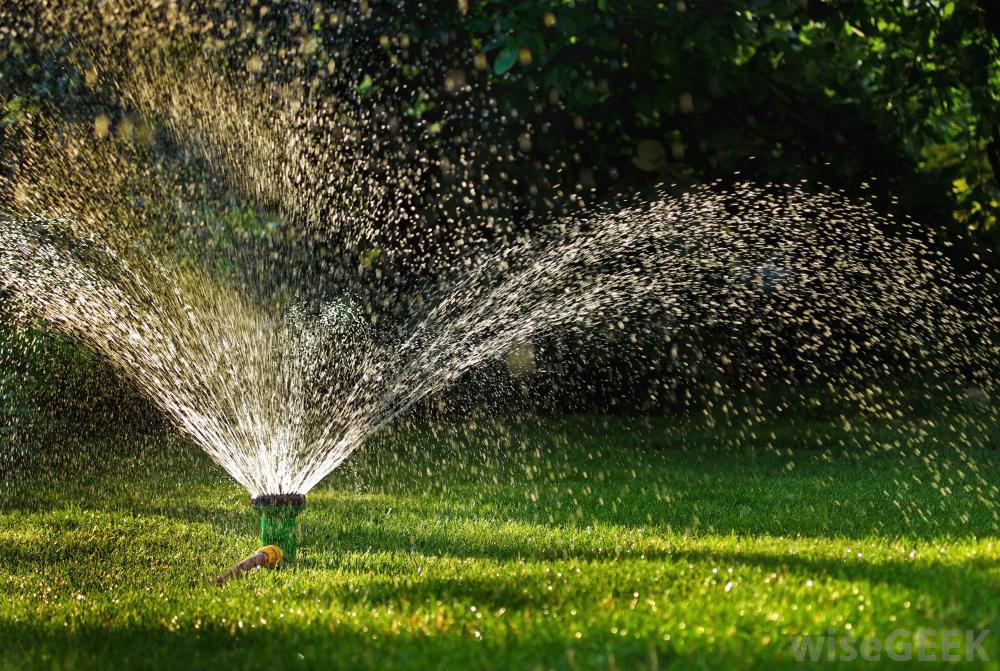
Watering: Deep and Infrequent
The biggest mistake people make with clay is heavy watering every single day. Because clay soil's ability to hold moisture is so high, the surface might look dry while the roots are still drowning.
- The Strategy: Water deeply but less often. This encourages the root system to dive deep into the soil to find moisture, making the lawn more drought-tolerant.
- The Danger: Avoid planting or watering to the point of waterlogged conditions. If you see excess water pooling on the surface, stop immediately.
Aeration: Let it Breathe
Over time, clay will naturally return to a compacted state, especially in high-traffic Australian lawns.
- The Solution: Grab some lawn aerator sandals and spike the lawn every spring and autumn. This breaks up the compacted clay and allows air, water, and less fertiliser to reach the roots effectively.
Mowing and Feeding
- Mowing: During the spring and summer months, keep up with regular mowing. Keeping the leaf at the right height for your specific lawn varieties (higher for Buffalo, lower for Couch) helps shade the soil, preventing it from drying out and cracking.
- Fertilising: Because clay holds nutrients so well, you can often get away with less fertiliser than those with sandy yards. However, a balanced slow-release fertiliser in early spring and late summer will ensure healthy growth.
Why Choose Coolabah Turf for Your Clay Soil Solution?
At Coolabah Turf, we don't just sell you a pallet of grass and wish you luck. We provide a "Lawn for Life." We know that clay conditions can be frustrating, which is why we only grow grass varieties that are proven to be well-adapted to the harsh Aussie climate.
A resilient lawn on clay is possible. It starts with choosing the best grass for clay soil in Australia, prepping the ground with organic matter, and following a solid lawn care routine.
Frequently Asked Questions
Can I grow Tall Fescue on clay?
While tall fescue can grow in many areas, it is a cool-season grass. In many parts of Australia, it struggles with the heat retention of clay during summer. We generally recommend warm-season grasses like Sir Walter DNA Certified Buffalo or TifTuf for better long-term results on clay.
Is Kikuyu better than Buffalo for clay?
Both are great! Kikuyu grass is faster growing and better for high traffic, but buffalo grass (like Sir Walter) has better shade tolerance and requires less mowing. Both handle the "heavy" nature of clay well if the drainage is managed.
How often should I use a clay breaker?
For a new lawn, apply it during prep. For an established lawn, you can apply granulated gypsum once a year in spring before a heavy watering or rain to keep the soil structure open.
The Coolabah Wrap-Up
Don't let heavy clay soils stand in the way of your dream backyard. By understanding your soil type, investing in a bit of clay breaker, and selecting a world-class variety like Sir Walter DNA Certified Buffalo or TifTuf, you can achieve a perfect lawn that provides for your family, year-round.
Remember, the best grass for clay soil isn't just about the species, it's about the quality of the turf and the support you get after it’s laid. That’s the Coolabah difference. We sweat the details so you can enjoy the results.
Ready to transform your brick pit into a lush oasis? Give the Coolabah Crew a call today, and let’s get the best grass for clay soil in Australia delivered fresh from our farm to your gate in under 24 hours. Otherwise, you can order your turf online right now! Your backyard cricket pitch is waiting!