Skip to content
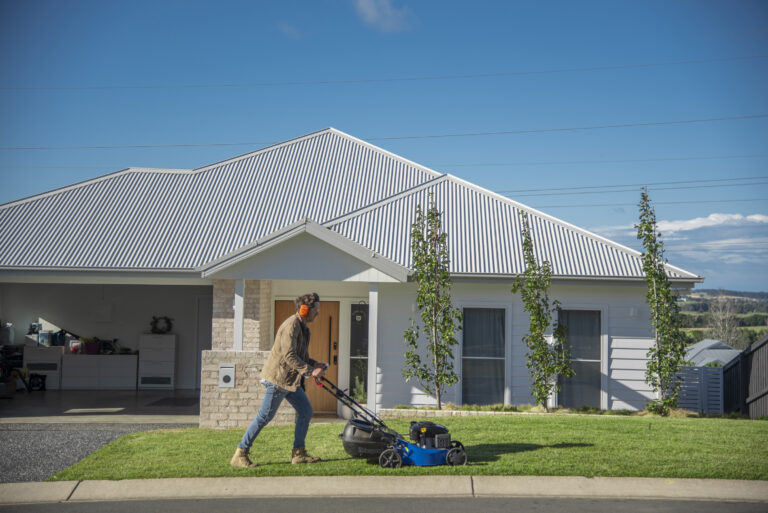
The age-old debate of artificial grass vs real grass is reaching a fever pitch in Australian backyards. As we lean into 2026, homeowners are more focused than ever on creating an outdoor space that acts as a sanctuary for family, pets, and a quiet beer on a Sunday afternoon. But as you stand on your deck looking at that patch of dirt, you’re likely weighing up the pros and cons of synthetic grass vs real grass. Is the promise of a "maintenance-free" life worth the trade-off of living in a plastic-wrapped environment?
At Coolabah Turf, we live and breathe the "Lawn for Life" philosophy. While we understand the temptation of the quick fix, when you put artificial turf vs natural grass under the microscope, there is only one true winner for the Australian lifestyle. In this ultimate showdown, we’re going to explore why artificial turf vs real grass isn't just a choice of surface, it’s a choice of how you want to live.
1. AESTHETIC APPEAL: THE SOUL OF A NATURAL LAWN
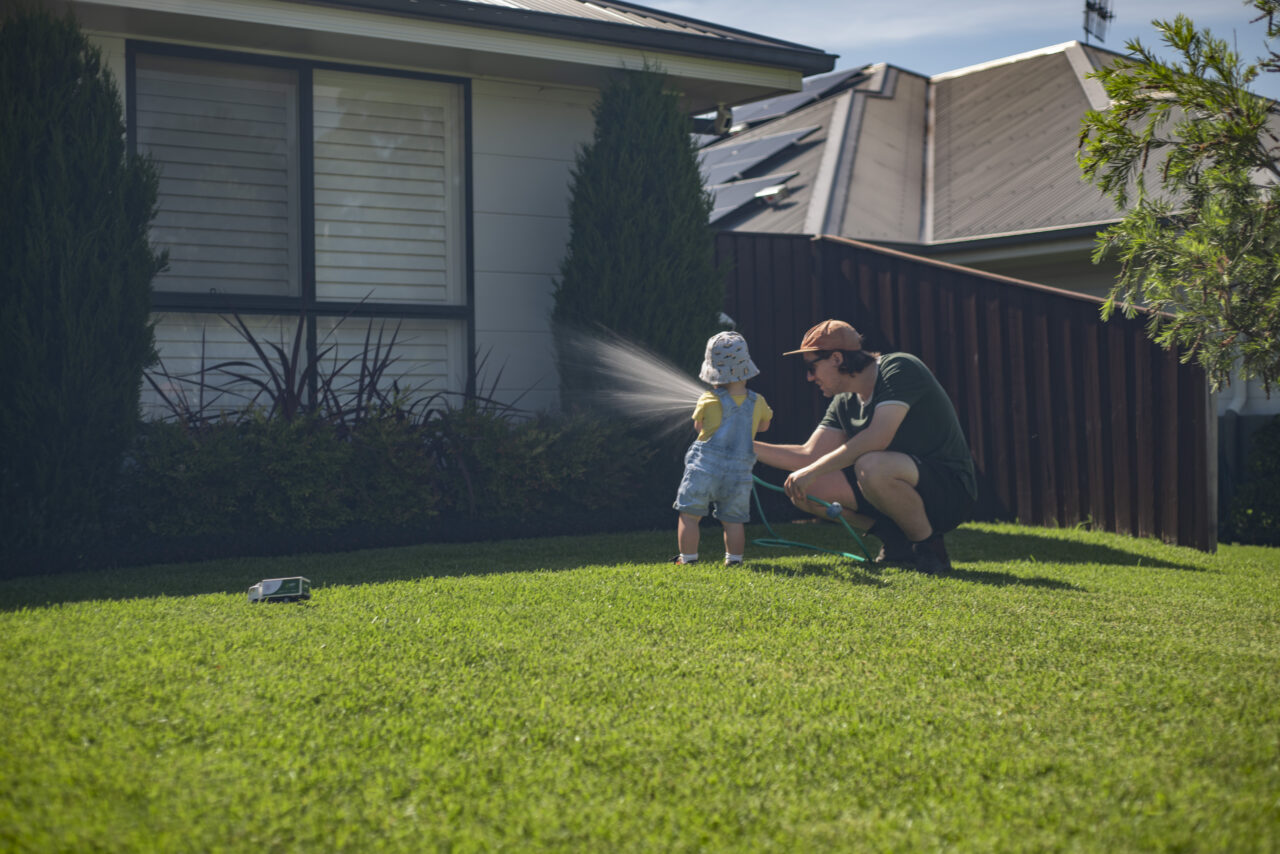
When we discuss aesthetic appeal, we aren't just talking about a shade of green. We’re talking about the way a lawn interacts with the light, the way it changes with the seasons, and the way it complements your home’s curb appeal.
THE NATURAL GRASS ADVANTAGE
A natural lawn is a living, breathing canvas. Whether it’s a lush Buffalo, a fine-leafed Couch, or a hardy Kikuyu, natural grass offers a vibrancy that synthetic materials simply cannot replicate. It has a "soul." The natural look of real turf, with its subtle variations in blade height and hue, creates a soft, organic boundary for your garden beds. It’s the difference between a high-definition photograph and the real-life view.
THE ARTIFICIAL GRASS TRAP
Artificial grass (or fake grass) attempts to mimic nature, but it often falls into the "uncanny valley." Even with high-end synthetic fibres, artificial lawn products can look overly uniform and static. Over time, UV exposure in the harsh Aussie sun can give a fake lawn a slightly reflective, plastic sheen. While it offers a green appearance at a distance, up close, it lacks the depth and texture of a real lawn.
2. MAINTENANCE REQUIREMENTS: DEBUNKING THE "ZERO EFFORT" MYTH
The biggest selling point for choosing artificial grass is that it requires minimal maintenance. For busy homeowners, this sounds like a dream. But is an artificial lawn truly maintenance-free?
ARTIFICIAL GRASS REQUIREMENTS
Let’s pull back the curtain: artificial grass requires more work than the marketing brochures suggest. Because it’s a plastic carpet, it doesn't self-clean. To keep it looking halfway decent, you’ll need to:
- The Debris Battle: Forget the "no-work" myth. Because fake turf can’t naturally digest organic matter, you’ll spend your weekends playing janitor, constantly removing dust, leaves, and twigs to prevent your drainage from clogging up and turning your yard into a swamp.
- The Urinal Factor: Let’s be real about pets. Unlike living soil, which has natural microbes to break down waste, synthetic turf is essentially a plastic sponge. Without a daily (yes, daily) sanitisation ritual, that Aussie summer sun will turn your backyard into a literal urinal.
- The "Power Brush" Workout: Plastic doesn’t grow back, and it certainly doesn't stand up for itself. Once your "lawn" gets flattened by a game of backyard footy, you’re out there with a power brush trying to "re-fluff" it like an old shag rug. It’s a lot of high-effort grooming for a surface that’s supposed to be "low maintenance."
- The Hidden Nasty: Underneath that "perfect" green surface, things can get murky. Without the natural ecosystem of a real lawn to keep things in check, fake turf can become a petri dish for bacteria and germs. Unless you’re meticulously sanitising the infill, you’re essentially letting your family play on a breeding ground for nasties that a real lawn would simply neutralise.
THE REWARD OF REAL GRASS
Conversely, natural grass does require regular mowing and ongoing maintenance. However, for many, this is a therapeutic ritual, a way to disconnect and take pride in their home. With modern varieties, natural lawn care has become far more low-maintenance. When you choose the right grass type for your region, the maintenance requirements are manageable, and the reward is a beautiful lawn that actually cleans the air while you sleep.
3. ENVIRONMENTAL IMPACT: SYNTHETIC GRASS VS REAL GRASS
In an era where we are all trying to reduce our carbon footprint, the environmental impact of our backyard is a major consideration. This is the arena where natural grass truly shines.
ENVIRONMENTAL BENEFITS OF NATURAL TURF
A real lawn is an environmental powerhouse. It acts as a massive carbon sink, absorbing carbon dioxide and releasing fresh oxygen. It supports local wildlife, providing a habitat for the birds, bees, and essential soil microbes that keep our ecosystem healthy. Furthermore, a natural lawn is a cooling machine. Through a process called transpiration, it keeps your outdoor space significantly cooler, up to 15°C cooler than hard surfaces or synthetic turf.
THE LARGER CARBON FOOTPRINT OF FAKE TURF
Artificial and natural grass are polar opposites in terms of sustainability. Synthetic turf is a petroleum-based product. Its installation process involves removing living soil (the Earth's lungs) and replacing it with plastic and rubber infill. It doesn't support local wildlife, it contributes to the "heat island" effect in suburban areas, and at the end of its 10-year life, it almost always ends up in a landfill. When you look at the larger carbon footprint, the "convenience" of plastic starts to look very expensive for the planet. So what is the true cost?
4. FOOT TRAFFIC AND THE SAFETY OF YOUR FAMILY
Your backyard is meant to be a high-performance zone. Whether it’s backyard cricket or the dog’s daily zoomies, the surface must be able to withstand heavy foot traffic.
REAL GRASS: THE SOFT AND COMFORTABLE SURFACE
For families with kids, natural grass is the perfect solution. It provides a soft and comfortable surface that stays cool even in the heat of a Victorian summer. If a child trips during a game, the grass and soil provide a natural cushion. If heavy foot traffic causes a worn patch, the grass grows back. It’s a self-healing system.
THE HEAT AND ABRASION OF ARTIFICIAL TURF
While artificial grass offers durability, it comes with a safety warning. In direct sunlight, synthetic materials can become dangerously hot, sometimes reaching temperatures over 60°C. This makes it unusable for kids or pets during the day. Additionally, fake turf can be abrasive; "turf burn" is a painful reality for anyone sliding on a synthetic alternative.
5. DROUGHT TOLERANCE: SURVIVING THE AUSSIE CLIMATE
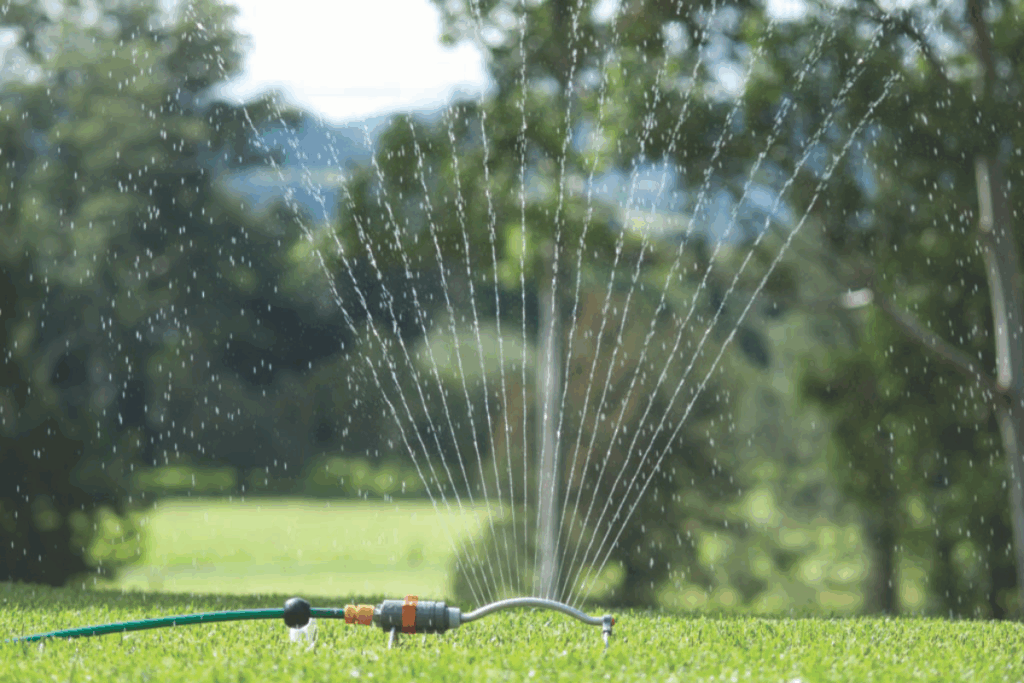
In drought-prone areas, many homeowners fear the water usage required for a real lawn.
It’s true that natural grass needs water to thrive. However, modern turf breeds are incredibly cost-effective when it comes to hydration. Species like DNA Certified Sir Walter Buffalo and TifTuf are famous for their drought tolerance. They can go dormant during water restrictions and bounce back to a green appearance as soon as the rain returns.
This isn’t just a matter of 'green thumbs' and guesswork; as proud members of Lawn Solutions Australia, our turf varieties are backed by decades of national research and a 10-year product warranty. This partnership ensures that when we talk about climate resilience, we’re backed by the highest scientific standards in the country.
While artificial turf requires zero water to stay green, it provides zero cooling. You may save on the water bill, but you’ll likely spend those savings on the air conditioning bill to cool your home now that your natural "outdoor AC" has been replaced by a heat-absorbing plastic sheet.
6. COSTS AND PROFESSIONAL INSTALLATION: VALUE VS. EXPENSE
The initial cost of installing artificial grass is often three to four times higher than laying a new lawn of premium natural turf.
THE INSTALLATION PROCESS
A professional installation for synthetic turf is a major construction project. It requires:
- Complete excavation of the site.
- Managing uneven terrain with crushed rock bases.
- Complex drainage systems.
- The cost of the synthetic fibres themselves.
Laying a new lawn with real grass is a much more cost-effective and faster installation process. While there is ongoing maintenance cost (fertiliser, water, mower fuel), the initial cost savings are massive. Furthermore, a healthy, living real lawn is widely proven to increase property value and curb appeal far more than a plastic substitute.
ARTIFICIAL GRASS VS REAL GRASS
To help you make the right choice for your lifestyle, we’ve put together this direct comparison of artificial turf vs real grass.
| Feature | Natural Real Grass | Artificial Synthetic Grass |
|---|---|---|
| Aesthetic Appeal | Natural look, vibrant, and evolving. | Uniform, but can look "plastic” |
| Surface Temp | Naturally cool (transpiration). | Can get dangerously hot in the sun. |
| Maintenance | Regular mowing & watering. | Occasional cleaning & brushing. With pets, it’s daily washing unless you want a backyard that smells like a urinal. |
| Durability | Self-healing from foot traffic. | Can flatten over time and melt/tear. |
| Eco-Impact | Supports local wildlife; absorbs CO2 | Larger carbon footprint; plastic waste. |
| Health | Soft and comfortable surface that naturally cleans. | Can harbour insects and bacteria. |
| Cost | Cost-effective initial investment. | High initial cost and disposal fees. |
| Feel | Soft, natural, and oxygen-rich. | Can be scratchy and abrasive. |
THE "COOLABAH" VERDICT: ARTIFICIAL TURF VS NATURAL GRASS
When you weigh up artificial grass vs real grass, it’s clear that nature has already perfected the design. A real lawn isn't just a surface; it’s the heartbeat of your home. It’s where your kids discover ladybugs, where your pets find a cool spot to nap, and where you connect with the earth.
While artificial grass offers a tempting shortcut, it can’t provide the cooling breath, the environmental benefits, or the sensory joy of a living natural lawn. Choosing natural grass is an investment in your family’s health, your home’s value, and the future of our planet.
At Coolabah Turf, we’re biased, but with good reason. We’ve seen thousands of backyards transformed into lush, living sanctuaries. Don't settle for a fake lawn when you can have a "Lawn for Life."
Ready to start your journey toward a perfect, natural green lawn? You can purchase online or head into a Bunnings store nearby. Otherwise, we can do a free quote up for you!