Skip to content
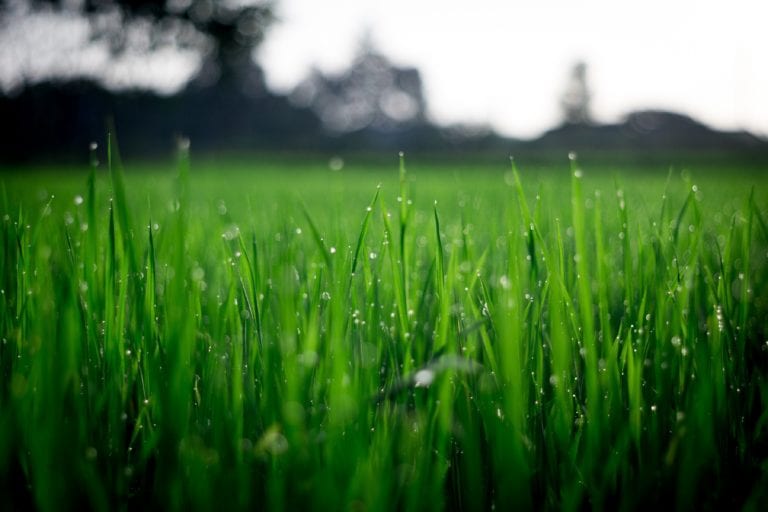
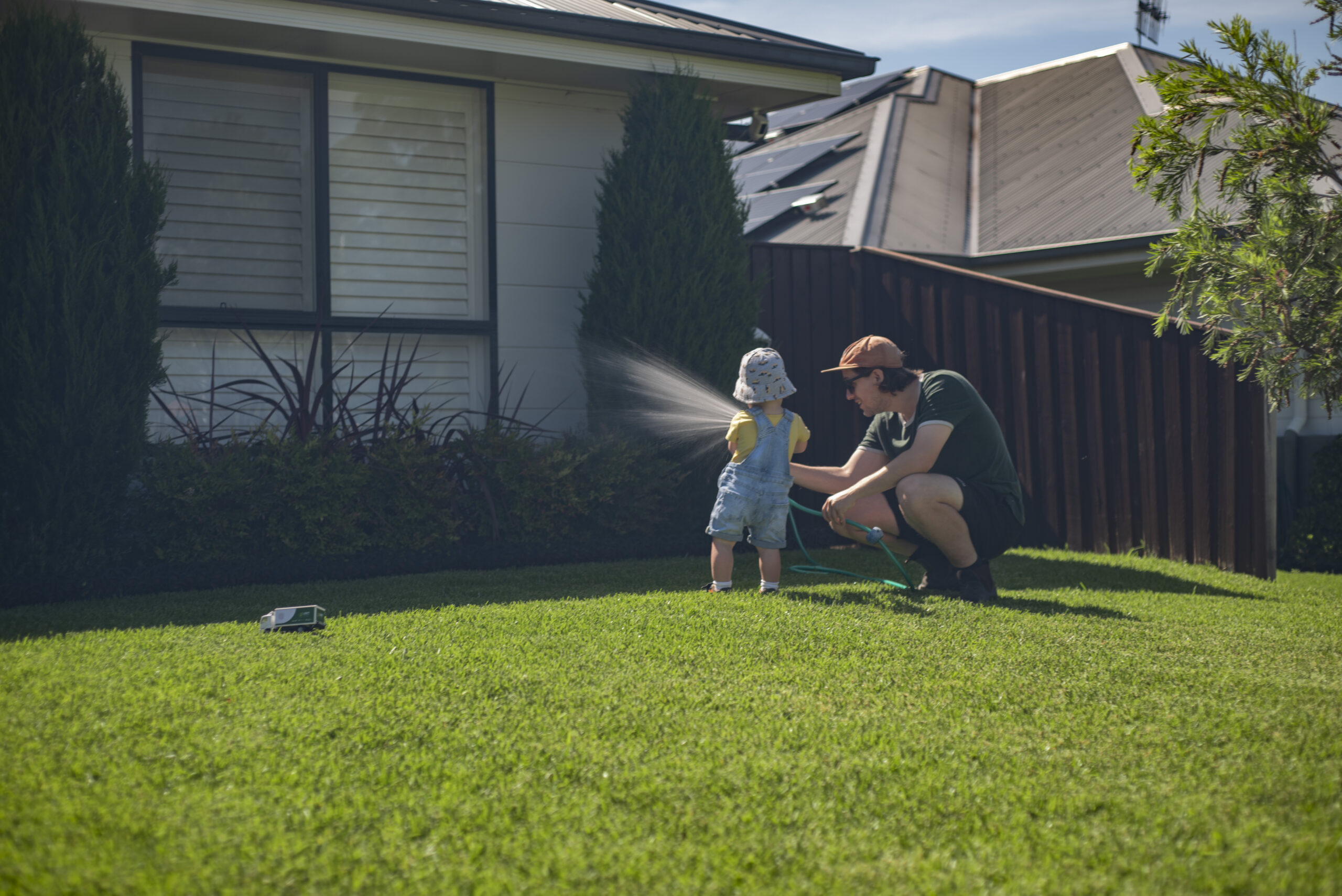
There is nothing quite like the feeling of looking out over a perfectly manicured, vibrant green yard. It’s the ultimate backdrop for weekend family barbecues, a safe zone for the kids to kick a footy, and your own private sanctuary to wind down after a long week. But as any proud homeowner in Victoria knows, the weather doesn’t always play by our rules. When a sudden downpour hits right before your weekend lawn care routine, you are left staring out the window with one burning question: can you mow wet grass?
It’s a dilemma the Coolabah Crew encounters all the time. Your schedule is tight, your weekend is short, and you might be standing in your garage wondering, "Can I mow wet grass right now just to get the job done?" However, before you pull the starter cord or plug in your machine, it’s vital to understand what happens to your turf when you decide to mow wet blades. In this blog, we will break down the science behind mowing wet grass, explore the hidden risks to your soil and equipment, and give you the ultimate tips on how to manage your lawn during the rainy season.
SHOULD YOU MOW WET GRASS?
If you are looking for a simple yes or no, the honest truth from the experts is that it is almost always a bad idea. While it might technically be possible to force your way through a soggy yard, the long-term consequences far outweigh the short-term satisfaction of checking a chore off your to-do list.
When homeowners ask us, "Should you mow wet grass?" or "Can you cut wet grass without causing permanent harm?" our advice is always to wait for a dry day. When the grass is wet, its physical properties change completely. Instead of standing upright and proud, wet grass blades become heavy, slick, and prone to bending. This dramatic change shifts your task from a simple cosmetic trim into a high-risk activity.
CAN YOU MOW IN THE RAIN?
Tackling the yard mid-storm is a losing battle from the very first pass. Beyond the fact that wet grass will immediately choke your mower into a sputtering, clogged mess, you have to look after your own sanity first. There is zero glory in shivering in your boots while freezing water drips down your collar. Trudging through a storm isn't "dedication"; it's a one-way ticket to a miserable week stuck on the couch with a brutal flu.
But what about your equipment? You might wonder, "Can you mow the lawn in the rain if you have a modern mower?" Whether you are using a petrol-powered machine or an electric lawn mower, operating any machinery in active wet conditions introduces a major safety risk. Water conducting through electrical components carries an increased risk of causing a dangerous electric shock. Even if you bypass the electrical hazards, the sheer lack of traction on a wet lawn makes slipping on slopes incredibly easy. When analysing “Can you mow grass when wet?”, the safety risks and results mean it is simply never worth the gamble.
On top of the safety hazards for you and your machine, think about the instant structural devastation to your yard. When rain is actively falling, the soil loses all its stability and strength. Instead of gliding smoothly across the grass, your heavy mower tyres will sink, skid, and slide. This heavy friction can rip up the roots of your lawn, tearing your premium turf right out of the ground. Instead of keeping things neat and tidy, you will instantly create a muddy garden full of bare patches, sloppy tyre tracks, and a total mud pit that will take weeks of sunshine and intensive care to fix.
THE HIDDEN DANGERS OF MOWING WET GRASS
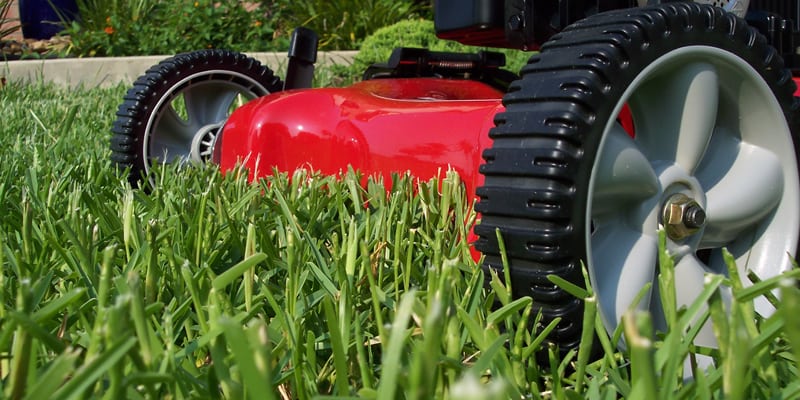
To truly understand why you should avoid cutting your turf when it’s saturated, we need to look at what is happening at a botanical level. Your lawn is a living, breathing ecosystem. Every time you cut grass, you are essentially performing a minor surgical procedure on the plant. When conditions are optimal, the plant heals instantly. When you introduce moisture and damp conditions, things go downhill fast.
1. TEARING INSTEAD OF A CLEAN CUT
The secret to a pristine, healthy lawn is a clean cut. When your lawn mower blades are sharp and the lawn is completely dry, they slice through the turf cleanly. This allows the plant to seal the wound quickly, preserving its internal moisture and nutrients.
However, when you attempt to cut wet grass, the experience is entirely different. Because the blades are slick and weighted down by water, the mower blades struggle to grip them. Instead of a cleanly cut edge, the machine tears, rips, and shreds the turf. This creates a ragged, frayed edge on every single blade of grass. Not only does this result in an uneven cut and a dull appearance across your yard, but it also causes more stress to the plant, leaving it highly vulnerable to environmental pressures.
2. THE SPREAD OF DESTRUCTIVE LAWN DISEASES
One of the greatest risks of mowing your lawn during a damp spell is the rapid transmission of pathogens. Fungal diseases thrive in dark, humid, and damp grass environments. When your lawn is dry, any fungal spores present are usually contained or kept at bay by natural airflow and sunlight.
When you introduce a heavy lawn mower into a wet environment, you create a superhighway for disease. The shredded, ragged wounds on your torn grass blades act as open invitations for infection. As you move across the yard, your machine picks up wet, diseased grass clippings and moves them from one section of the yard to another. This process can quickly spread fungal diseases across your entire property, leaving behind unsightly dead patches that can take months of intensive lawn care to repair.
3. THE NIGHTMARE OF CLUMPING & SMOTHERING
When you cut a dry lawn, the lightweight clippings are easily discharged from the mower's deck or caught efficiently in the bagger. But when mowing wet grass, the water causes the tiny particles to clump together.
These heavy, soggy clumps of grass like to stick to everything. They will line the inside of your mower's cutting deck, clog up the discharge chute, and drop onto your lawn in thick, heavy piles. If these wet mats of clippings are left on top of your living turf, they create an impenetrable barrier. This barrier completely blocks out the sunlight and limits oxygen exchange, which prevents grass from breathing. Underneath these dense clumps, your lawn will quickly yellow and rot, leading to further lawn diseases and patchy grass growth.
SOIL COMPACTION AND RUTS
The negative impacts of a wet trim aren't just confined to the green blades above the ground; the structural integrity of your ground and soil takes an absolute beating as well.
1. DEEP RUTS AND TRACK MARKS
When heavy rain saturates your yard, the underlying soil transforms from a firm, supportive base into a soft, vulnerable mud matrix. Pushing or driving heavy lawn mowers across a saturated surface exerts immense localised pressure. The wheels of your machine will easily sink into the wet soil, carving out deep ruts and track marks. These ruts destroy the perfectly level surface you’ve worked so hard to achieve, making future mows bumpy and difficult.
2. SEVERE SOIL COMPACTION
Even worse than the visible ruts is the invisible damage: soil compaction. When you run a heavy weight over a wet surface, the air pockets within the soil are completely crushed. Compacted soil is a silent killer for premium turf varieties. Without those essential air pockets, the root system cannot access oxygen, water, or vital nutrients, leading to lost nutrients over time.
Eventually, compaction suffocates the root network, leading to stunted grass growth, poor drainage, and a thin yard that struggles to survive. Furthermore, making sharp turns with your mower on soft, wet turf can tear the root system directly out of the ground, meaning you will completely damage your lawn.
CAN YOU CUT GRASS WITH MORNING DEW?
A very common variation of this question we hear from eager weekend warriors is: "can you cut grass with morning dew, or should I wait?"
It’s an easy trap to fall into. The sun is shining, the sky is blue, but the lawn is covered in a glistening layer of early morning dew. While a dewy yard isn't as waterlogged as a lawn that has just endured a night of massive downpours, it is still slightly wet.
Mowing a lawn covered in thick dew will still cause grass clippings to stick to your mower's internal components, and it can still result in a slightly uneven finish. While you can occasionally get away with cutting slightly wet grass if you are using an incredibly sharp set of blades and a high deck setting, the Coolabah Crew always recommends waiting a bit longer. Give it an hour or two for the morning breeze and sunlight to break through. Once the lawn dries and the grass dries to the touch, your job will be significantly easier, safer, and cleaner.
CAN YOU WHIPPER SNIP WET GRASS?
When looking at an overgrown yard, you might think, "Alright, I'll leave the mower in the shed, but can you whipper snip wet grass instead?"
Unfortunately, the same fundamental rules apply to your line trimmer. A whipper snipper relies on a flexible nylon line spinning at incredibly high speeds to slice through weed stems and edges. When the grass is heavily weighed down by water, it becomes elastic and heavy. Instead of a crisp, clean cut, the nylon line will violently hack and shred the wet stems.
This leaves your garden edges looking frayed, ragged, and brown. Additionally, the wet, pasty clippings will stick to the safety guard, clog the spinning head, and spray all over your clothes and legs, turning a simple garden chore into a highly messy, frustrating ordeal. It is always best to wait until the edges are dry.
TIMING IT PERFECTLY: HOW LONG AFTER RAIN CAN YOU MOW?
So, you’ve decided to do the right thing by your turf and wait out the storm. Now you need to know: how long after rain can you mow without causing damage to your root zones? Furthermore, you might be asking yourself, "Can you mow after the rain has stopped if the sun is out, or is it still too early?"
There is no single magic number, as the recovery time for your yard depends heavily on the volume of rain that fell, the temperature, and the drainage capabilities of your local soil. After a light, passing shower on a warm day, your lawn might be good to go in just a few hours. However, following a prolonged storm, the ground behaves like a giant sponge. Even if the tops of the grass blades look dry, the underlying soil might still be completely saturated.
Timing is everything. As a general rule of thumb for proper lawn care, we advise waiting at least 24 to 48 hours after major downpours before bringing out your equipment. To determine exactly when can you mow the lawn after rain, you should always perform a quick check of the ground conditions. If you try mowing after rain too quickly, you risk undoing months of hard work.
THE ULTIMATE HAND & FOOT TEST
Unsure if your yard is ready? Try this quick test from the Coolabah Crew:
- The Foot Test: Walk out to the middle of your lawn. If you hear a squelching sound under your shoes, or if the ground feels spongy and leaves a visible footprint, the soil is too wet.
- The Hand Test: Crouch down and run your hand firmly through the top section of the turf. If your palm comes away dripping with moisture, the grass is wet, and it is best to leave the mower in the shed.
THE EMERGENCY GUIDE: WHAT TO DO IF YOU MUST MOW
We understand that real life doesn't always accommodate perfect lawn care schedules. Perhaps you have an urgent end-of-lease inspection, a major family event in the backyard, or the grass has grown so incredibly tall during a prolonged wet spell that it is starting to block out its own sunlight.
If you are absolutely forced into a wet mow, follow these crucial protective steps to minimise the damage to your beloved yard:
- Max Out the Mower Height: Adjust your mower height to its absolute highest setting. Your goal here should not be a short, manicured finish; it should simply be a "top-up" trim to take the edge off. Never remove more than the top one-third of the grass blade at one time.
- Mow Slowly and Patiently: Slow down your walking pace. Moving slowly across the yard gives your mower’s blades more time to process the heavy, wet material and ensures a more effective discharge, preventing catastrophic clogs.
- Clear the Deck Constantly: Turn off the machine completely, disconnect the spark plug or remove the battery for safety, and regularly clear out the thick build-up of grass from underneath the mower deck. Keeping this area clear allows the machine to maintain its optimal cutting velocity and helps it cut cleanly.
- Ditch the Mulcher: Do not attempt to mulch your clippings in wet weather. Use a high-quality grass catcher to collect the damp material immediately, or prepare to go over the yard afterwards with a sturdy garden rake to clear away any suffocating clumps of clippings.
- Keep Your Lines Straight: Avoid making sudden, erratic movements or sharp turns on the damp ground, as this will instantly tear up the root zone and create permanent ruts.
CONCLUSION: PATIENCE EQUALS A PERFECT LAWN
While it can be incredibly frustrating to look out at a fast-growing yard and feel held back by the unpredictable weather, patience is your greatest asset when it comes to world-class turf management. By choosing to wait for that beautiful, clear, dry day, you protect the structural health of your soil, maintain the peak performance of your machinery, and ensure your grass receives a flawless, healthy, clean cut.
Your backyard is the heart of your home, the space where life’s best moments happen. Treat it with the care it deserves, keep those mower blades sharp, and wait out the wet weather.
If your lawn has suffered from wet-weather damage, or if you need expert advice on selecting the perfect drought-tolerant, resilient turf variety for your property, the Coolabah Crew is always here to help. Reach out to us today for lifetime lawn care support and all the premium products you need to keep your backyard oasis thriving year-round!