Skip to content
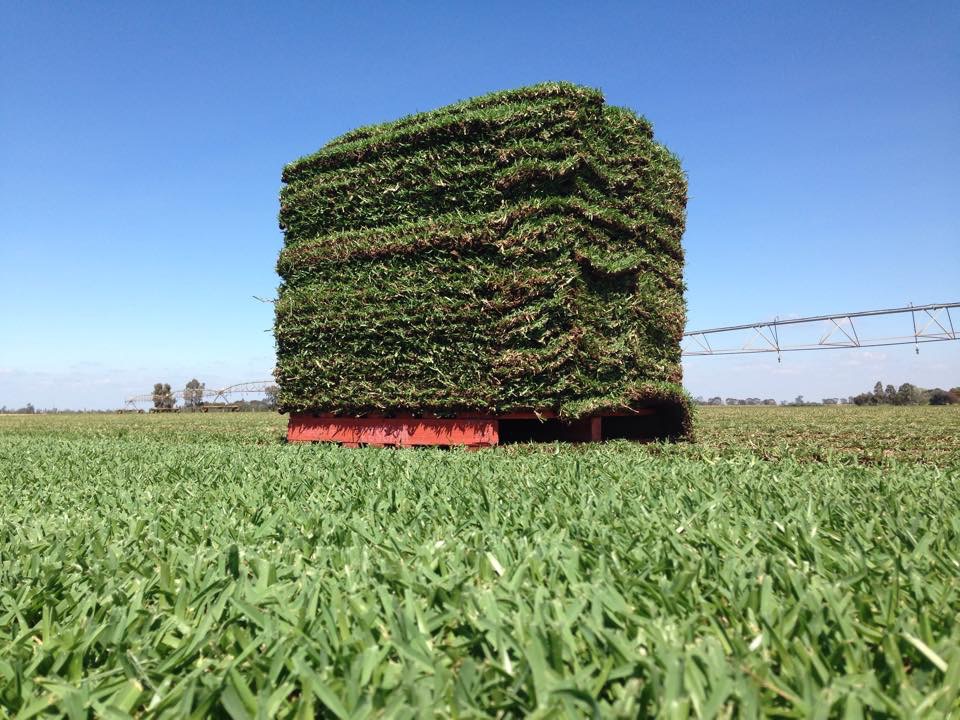
So, the trucks have pulled away, the turf-laying phase is complete, and you’re standing there looking at a breathtakingly green lawn. Welcome to the Coolabah Crew! If you are wondering how to care for new turf, you’ve come to the right place.
At our Echuca farm, we’ve spent months pampering these grass blades. Now, the baton has passed to you. Whether you’ve installed our iconic Sir Walter DNA Certified Buffalo, the drought-defying TifTuf, or the elite Sir Grange, the next few weeks are critical for long-term health.
Here is exactly how to care for a new lawn so it survives the "awkward teenage phase" and becomes a fully established backyard sanctuary.
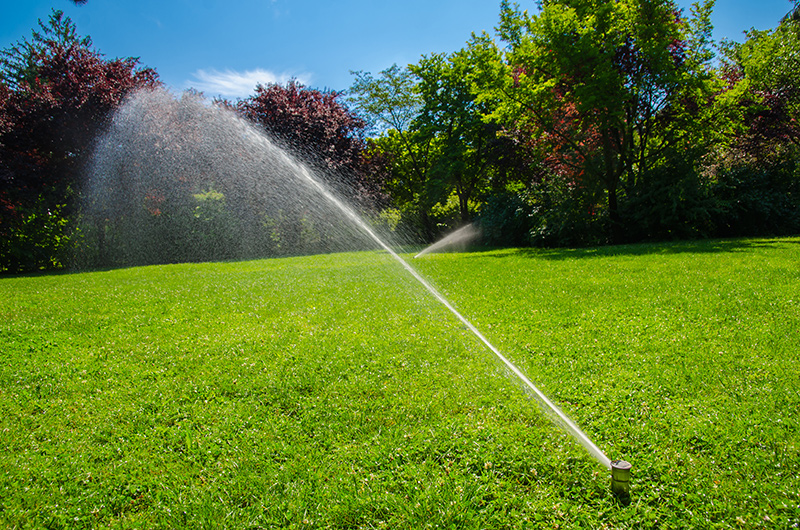
Phase 1: The "Flood" (Days 1–14)
The first two weeks are all about the root zone. Because your fresh turf arrived as slabs, its root system is currently only about 25mm deep. It can’t go looking for water yet; you have to bring the water to it.
How to Care for New Lawn: Watering
The goal is consistent moisture. This isn't just about a light sprinkle; it’s about a deep soaking. You want the soil underneath the turf to stay moist, not just the grass itself.
Summer & Warmer Months: In the heat of a Victorian summer, you might need to hit the sprinklers 3–4 times a day. If the edges of the slabs start to gap or the leaf curls up, your lawn is screaming for a drink.
Autumn & Cooler Months: You can dial it back, but don't get complacent. Even in the cooler months, a windy day can dry out newly laid turf faster than you’d think.
Can You Overwater New Turf?
It’s the most common question we get: Can you overwater new turf? In the first week, the answer is almost always "No." You want that ground to be a bit of a sponge. However, by the second week, if you see mushrooms or the turf feels "slimy," you should reduce watering slightly. The aim is to encourage root growth to head downwards into the soil level, searching for moisture.
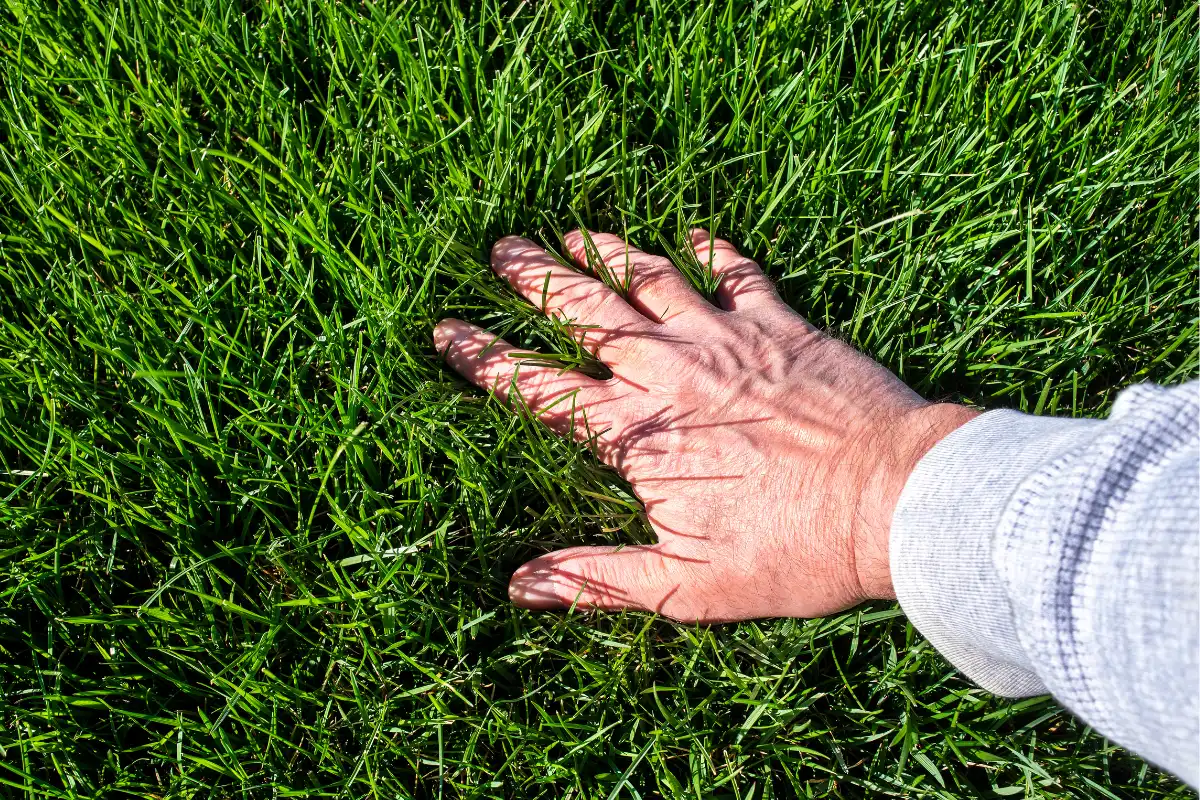
Phase 2: The "Lift Test" and the First Date (Days 14–21)
By day 14, your new grass should be starting to feel at home. This is the establishment phase where the magic happens underground.
The Lift Test
Go to a corner or the edge of the whole area and give it a gentle lift.
- If it lifts: Keep the lawn watering high. It’s not ready to play yet.
- If it sticks: That’s the root system anchoring into the soil. You’ve officially got a healthy lawn.
Managing Foot Traffic
We know you want to get the cricket bat out, but foot traffic is the enemy of a newly laid root system. Try to keep the kids and the dog off the lush lawn for at least the first 14 days. Any shifting of the slabs during this time can break those tiny, fragile new roots.
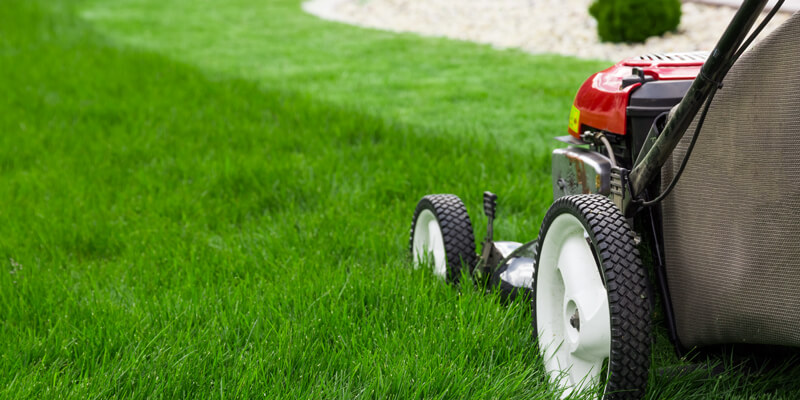
Phase 3: The Ritual of the First Mow
You’ll notice the growth starts to go crazy around week three. You’ll be itching to get the mower out. But hold your horses; when to mow new turf is a decision that can make or break your lawn’s overall health.
When to Mow New Turf
Only mow when the turf is firmly established (passes the lift test).
- Check the Blades: Ensure your mower blades are razor-sharp. Blunt blades tear the grass, which stresses the plant.
- Highest Setting: Set your mower to its highest setting. For your first mow, you are just "giving it a haircut," not a buzz cut.
- The One-Third Rule: Never remove one-third of the leaf height in a single session. If the lawn is overgrown, take a little off, wait a few days, and then bring it down to your preferred height.
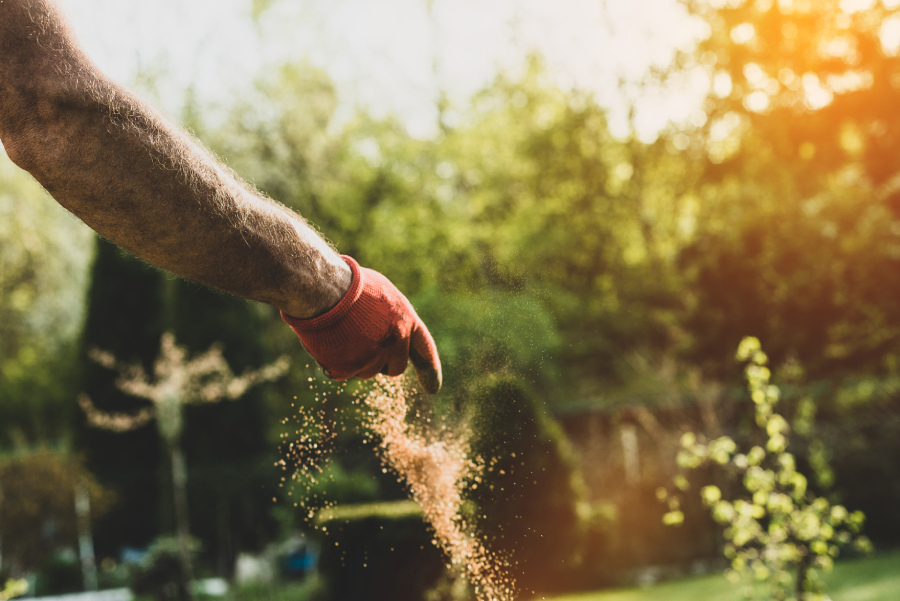
Phase 4: Nutrients and Long-Term Love (Weeks 4–8)
By now, the instant lawn is starting to look like it’s been there forever. But it’s hungry. How to care for new lawn turf in the long term involves a strategic feed.
Your First Fertiliser
Your turf arrived with a "starter" charge of nutrients, but by week 6 or 8, it’s time to add some fertiliser. We recommend a high-quality slow-release fertiliser.
- Why slow release? It provides a steady spread of nutrients over months rather than a quick "spike" that can burn young roots.
- The Spread: Ensure an even spread across the whole area to avoid patchy growth. This is what maintains that lush lawn look into the autumn and winter.
Why Coolabah Turf Beats Lawn Seed Every Time
People often ask why they shouldn't just throw down some lawn seed. In Victoria, that’s a gamble. Between the birds in the spring and the blistering summer sun, seed is notoriously difficult to maintain.
When you choose fresh turf from Coolabah, you are bypassing months of weeds, washouts, and "patchy" stress. You are getting a healthy, green, and weed-free surface from the moment we start laying.
Plus, as an AusGAP-certified grower, we provide a level of certainty that a bag of seed simply can’t match. This industry-leading certification is your ironclad guarantee that your lawn is genetically pure, true-to-type, and 100% free of weeds and pests from the moment it leaves our farm.
Pro-Tips: How To Care For Freshly Laid Turf
- Soil Preparation is King: If you haven’t laid yet, remember that soil preparation is 80% of the job. Use a straight edge to ensure your ground is flat. This prevents "scalping" when you start regular mowing.
- Watch the Edges: The edges of your lawn (near concrete or garden beds) dry out the fastest. Give them extra attention during your new lawn watering routine.
- Compaction: If you have heavy clay soil, a bit of gypsum during the laying phase can prevent compaction, allowing the root zone to breathe.
The Coolabah Guarantee: Advice for Life
We don't just sell you a new lawn and disappear into the sunset. If you’re worried about root growth, confused about nutrients, or just want to brag about how green your yard is, give us a call.
Follow this guide, give it plenty of water, and stay on the highest setting on your mower for the first few weeks, and you’ll have a lush lawn that will be the backdrop for family memories for decades to come.
| Timeframe | Task | Focus |
| Day 1-14 | New lawn watering | Keeping the soil moist and roots cool. |
| Day 14 | The lift test | Checking for establishment. |
| Day 21 | First mow | Highest setting, sharp blades. |
| Week 6-8 | First fertiliser | Slow-release fertiliser for overall health. |
| Ongoing | Regular mowing | Maintain preferred height and health. Check your lawn variety specifications. |