Skip to content
How to Keep Winter Weeds Out of Your Lawn This Season
There's something deeply satisfying about a lawn that's earned its keep through summer, staying lush, thick, and full of life for all the memories made on it. But as the cooler months arrive, a different kind of uninvited guest tends to make an appearance. Winter weeds are one of the most common lawn concerns we hear about this time of year, and the good news is that with a little know-how, they're very manageable. The key is acting early, before they've had the chance to settle in.
Here's a look at the four most common winter weeds in Victorian lawns and what you can do about each of them.
Winter Grass
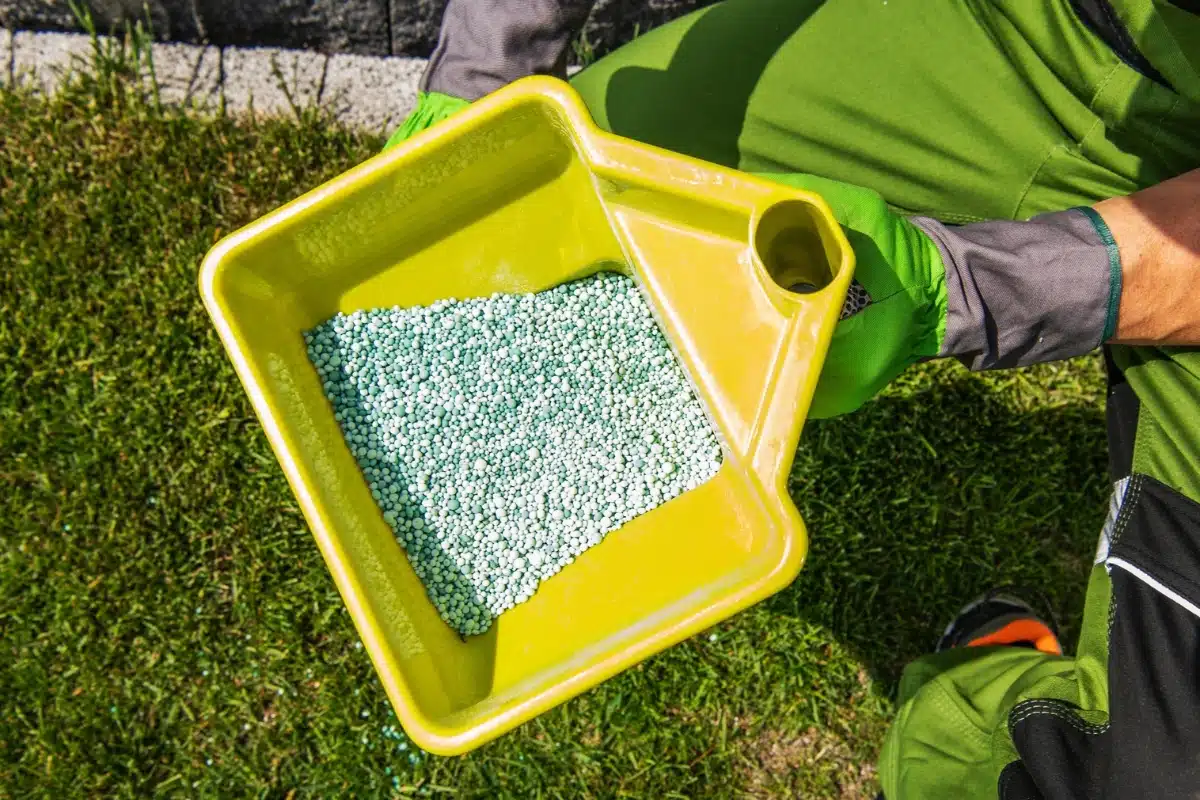
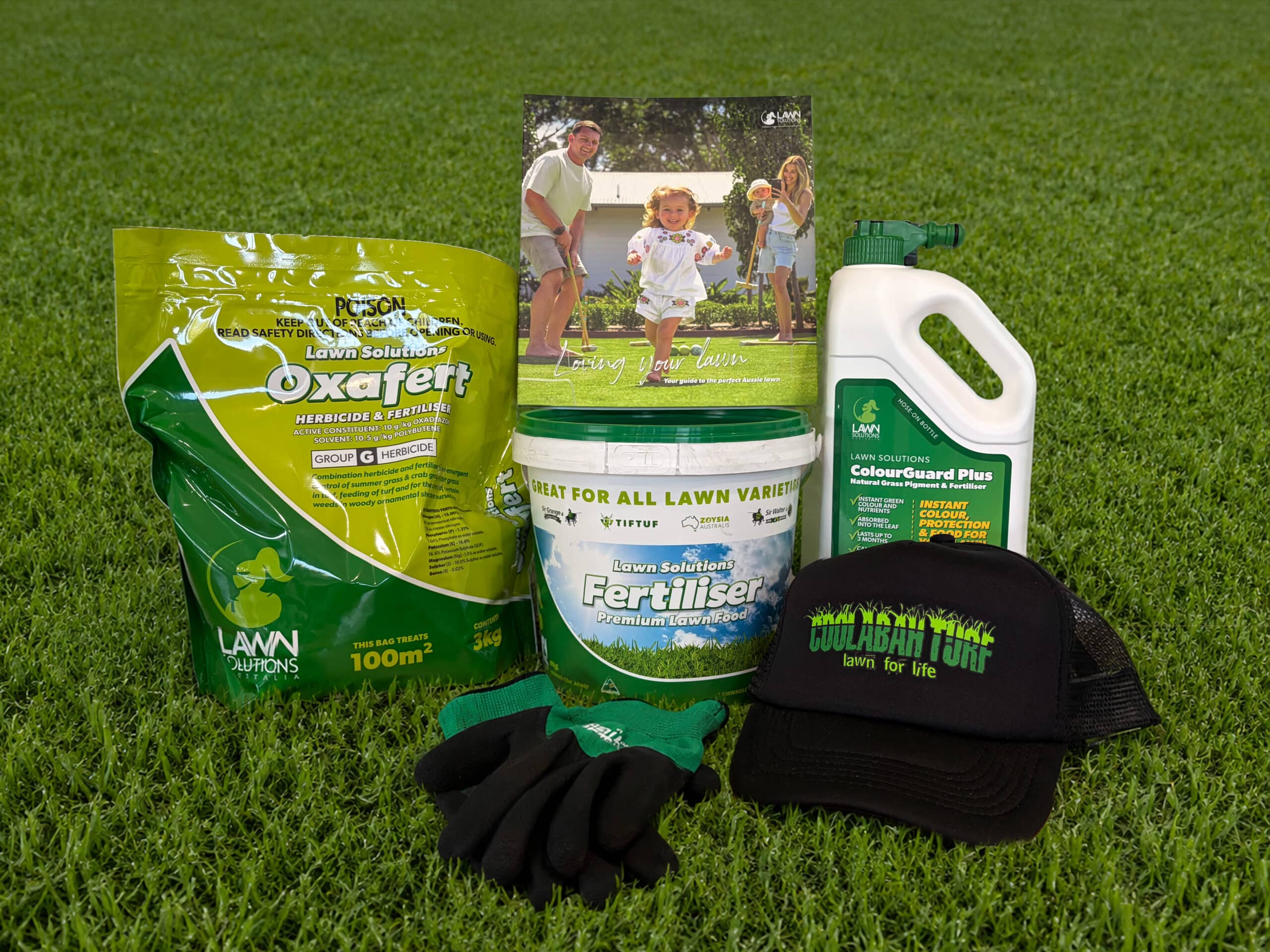
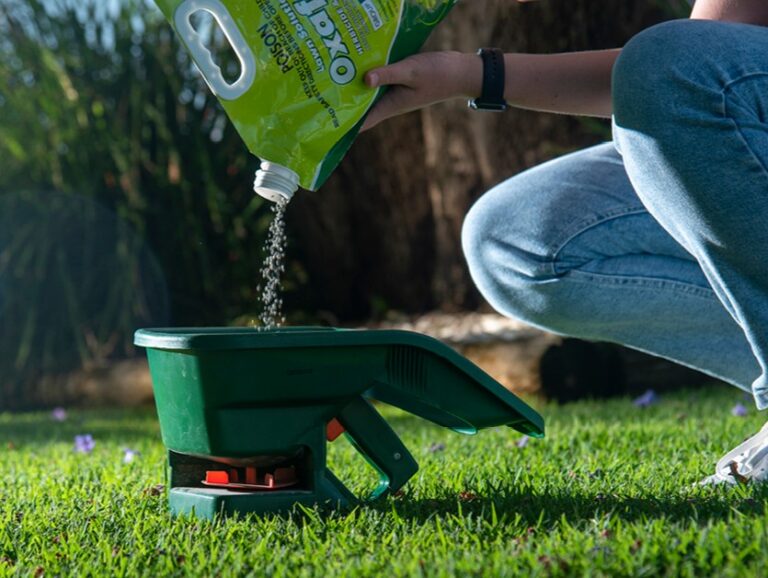
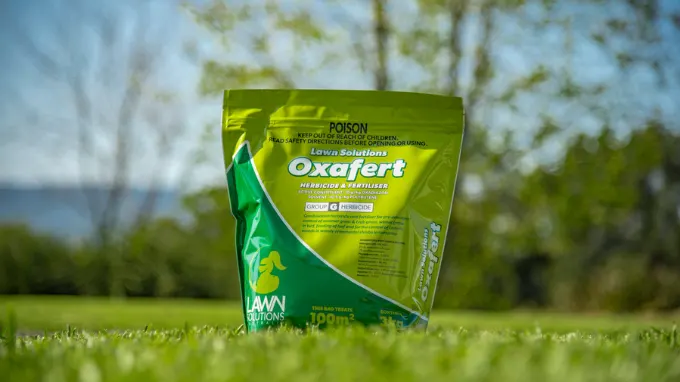
Winter Grass (Poa annua) is probably the most widely recognised of the bunch. It grows in low, soft tufts with drooping green leaves and distinctive triangular seed heads. One of the trickier things about Winter Grass is that if you let it go to seed, it will return next season in greater numbers. Fortunately, it doesn't have deep roots or runners, so it can often be pulled out by hand without too much trouble. For more established problems, a pre-emergent herbicide such as Oxafert, applied in autumn, gives you the best chance of stopping germination before it starts, and a selective Winter Grass Killer can take care of any plants that do come through. Most products of this type are safe on buffalo and couch varieties — including Sir Walter DNA Certified and Nullarbor Couch — but if you have a Kikuyu lawn like Eureka Premium VG, check the label carefully as not all products are suitable.
Bindii
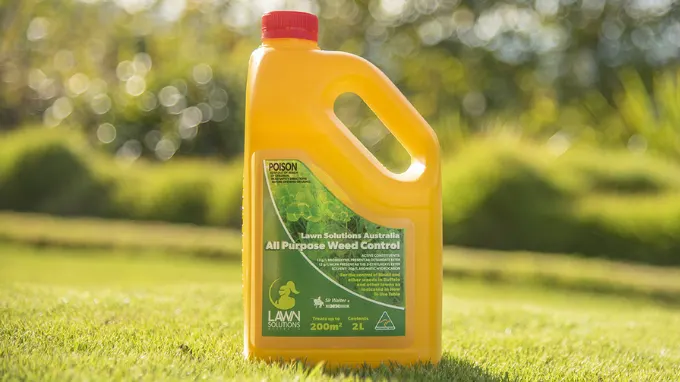
If you've ever stepped barefoot onto your lawn in spring and felt a sharp prick underfoot, you've already had a close encounter with Bindii. This low-growing weed produces a prickly seed pod as it matures, which is exactly the stage you want to avoid reaching. Winter is the ideal time to treat Bindii, while it's still in its leafy stage and before that seed pod forms. A selective broadleaf herbicide, such as the Lawn Solutions All Purpose Weed Control, will handle it across most lawn types, including buffalo varieties like Sir Walter. A second application is sometimes needed to clear it fully. Trust us, this is one worth getting rid of before barefoot season returns!
Clover
Clover is a sign worth paying attention to, and unfortunately, not a lucky one! As a legume, it draws nitrogen from the air and stores it in its roots, which means when you see clover creeping through your lawn, it's often a signal that your soil nitrogen levels are on the low side. A good fertiliser (hello, Oxafert) can help rebalance things and slow clover down naturally, since it tends to struggle where nitrogen is already adequate. For active infestations, we once again recommend Lawn Solutions All Purpose Weed Control as the most reliable fix.
Creeping Oxalis
Creeping Oxalis is easy to confuse with clover at first glance, but look closely, and you'll spot the difference. Oxalis has small heart-shaped leaves and bright yellow flowers, while clover leaves are more oval (and occasionally, four-leaf!). It spreads quickly along the soil surface and produces seed pods that actually dry out and explode, scattering seed across a wide area. Getting on top of it before those pods mature is well worth your time. Lawn Solutions All Purpose Weed Control variety will do the job again here - trust us, it's well worth the purchase!
A final word on timing
With all of these weeds, the earlier you act, the easier the job. Treating in late autumn or early winter, before germination and seeding occurs, means you're dealing with the problem rather than chasing it. A pre-emergent herbicide applied at the right time can dramatically reduce what you're up against in the months ahead, reducing your workload and ensuring you're ready to fire up the barbecue the second the sun starts shining again.
If you're not sure what's showing up in your lawn or which product is right for your variety, our team is always happy to help. Give Coolabah Turf a call on 1800 055 515 and we'll point you in the right direction.