Skip to content
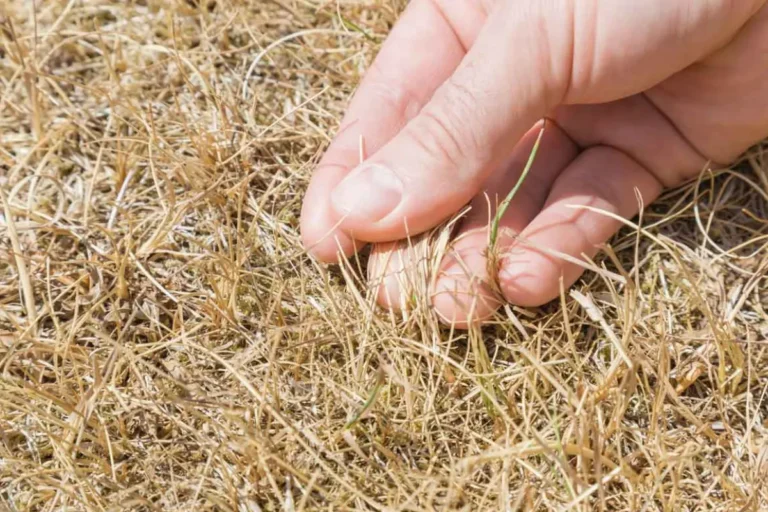
Every June, as the days get shorter and the air gets fresher, the Coolabah phones ring with the same concern: "There's something wrong with my lawn, it's gone brown!"
The truth is, there isn't anything wrong at all. In fact, it's quite the opposite.
The warm-season grass varieties that Coolabah grows, and that make up most Victorian lawns, are doing exactly what a healthy, well-adapted plant should do when the days shorten and temperatures drop. They're resting. Just like trees that shed their leaves or bulbs that retreat underground, warm-season turf enters a period of dormancy in winter. It's a natural, protective response that allows the plant to conserve energy and ride out the cold before returning to full vigour in spring.
Dormancy isn't death, nor is it neglect or disease. It is actually your lawn being smart about the season.
That said, different varieties respond to winter in different ways, and understanding your specific grass type is the key to looking after it well during these cooler months.
Sir Walter DNA Certified Buffalo
Sir Walter is one of the more winter-active grasses in the Coolabah range, meaning it holds onto its colour longer into the cooler months than kikuyu or couch. Its broad leaf blades continue to photosynthesise in lower light conditions, and its natural shade tolerance becomes a backyard asset during the shorter days of a Victorian winter.
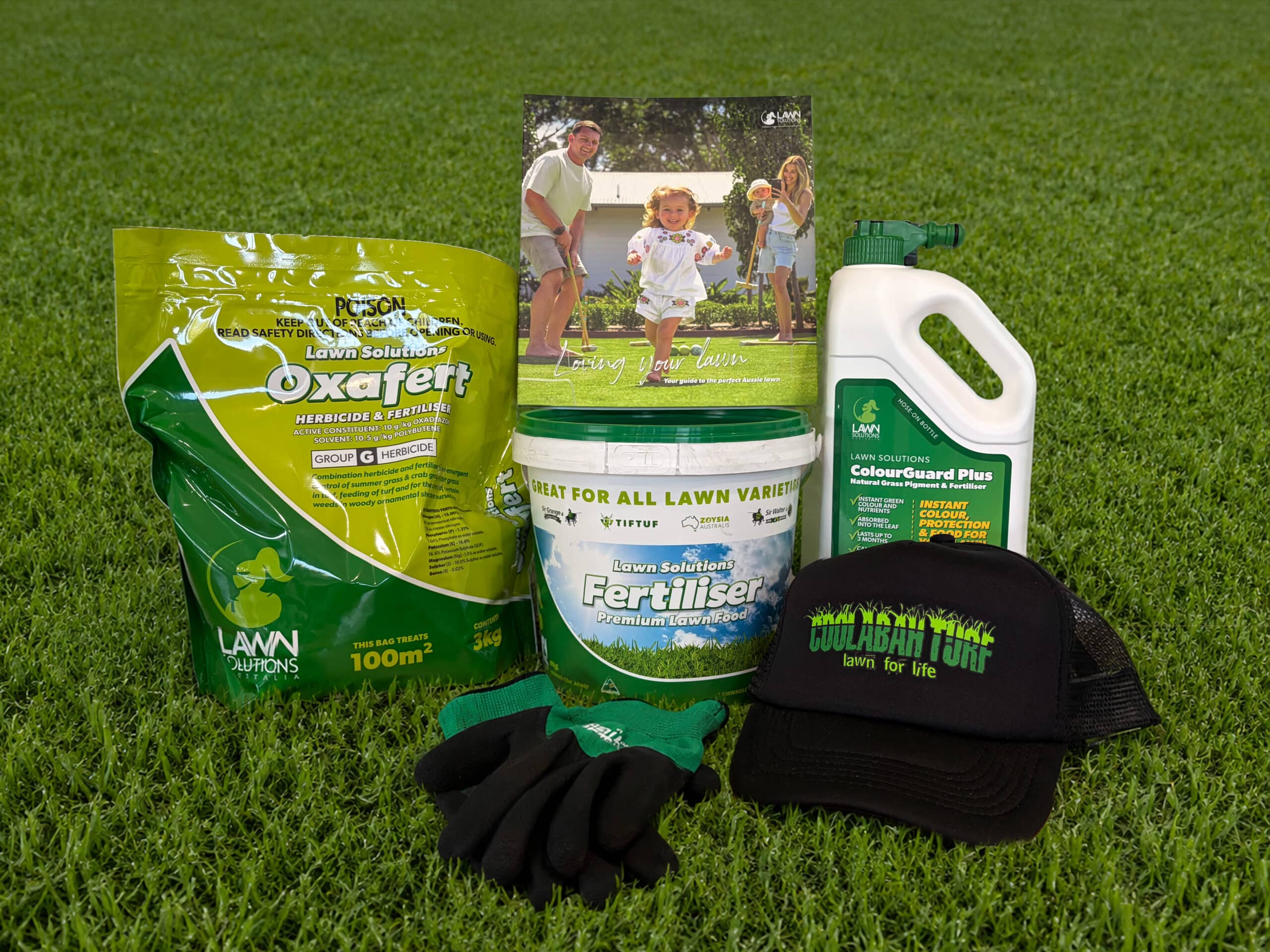
Some colour fade is still normal, particularly in exposed or frost-prone areas. During dormancy or near-dormancy, Sir Walter needs very little from you. During this period, you can reduce mowing frequency, ease back on watering, and hold off on fertilising until growth resumes in spring. Weeds can be a little more persistent when the lawn's growth rate slows, so late autumn application of a pre-emergent like Oxafert is a good habit to establish if you haven't already.
If you want to maintain green colour through the dormant period, ColourGuard or ColourGuard Plus is an excellent option. It's a turf-specific colourant that looks completely natural and gives the lawn a confidence boost without forcing it out of its seasonal rhythm. It's also pet and kid-friendly once dry, so you don't need to keep everyone indoors for too long!
Eureka Premium VG Kikuyu
Kikuyu is an enthusiastic grower through summer, but it is also one of the first warm-season varieties to show colour change as winter arrives. As temperatures fall below roughly 10 degrees Celsius, Eureka Premium VG will slow significantly and take on a straw or golden-brown tone. This is perfectly healthy dormancy behaviour in a grass that thrives on warmth.
The key with kikuyu in winter is restraint. Resist the urge to fertilise in an attempt to push colour. Nitrogen-heavy fertilising during cold months can stress the plant and contribute to thatch issues over time. It's best to keep the lawn free of debris, avoid heavy foot traffic on frost-affected areas where the blades are most brittle, and leave the grass to do what it does best: wait.
Come September, when soil temperatures begin to climb again, Eureka Premium VG will bounce back quickly and the colour will return with it, paying you dividends for your patience.
TifTuf Bermuda
TifTuf is Coolabah's benchmark performer for water efficiency and wear tolerance, and it carries those qualities into autumn, but like all bermuda grasses, it does go dormant in a Victorian winter. Its fine, dense texture takes on a tan or light brown tone once growth stops, and it will remain that way until spring warmth returns.
The good news is that TifTuf's tight sward structure means it tends to hold its form even while dormant, resisting the sort of weed invasion that can plague less dense lawn types over winter. A pre-emergent application in autumn goes a long way toward keeping it clean through the cold months.
If TifTuf's dormant colour is a concern, particularly for those who prefer to have a green backyard year-round, ColourGuard is well-suited to bermuda grass and produces very even, natural-looking results.
Sir Grange Zoysia
Sir Grange Zoysia is something of a special case in a Victorian winter. Of all the warm-season varieties in the Coolabah range, it is actually the first to enter dormancy as temperatures drop, because zoysia is a subtropical grass at heart, and we all know Victoria's cool winters are far from subtropical! It will go dormant earlier and more completely than the other varieties in the range.
What it has going for it, though, is that it tends to carry dormancy well. Sir Grange's naturally fine, dense leaf and its characteristic bronze-green tint mean a dormant lawn still holds a certain quiet appeal. It's typically kept longer than other varieties, and when paired with its warmer tone, it reads more as a deliberate seasonal look than a distressed lawn. It won't be the lush green of spring, but it won't be the stark straw of a fully dormant couch either.
The most important thing you can do for Sir Grange through winter is simply leave it alone. Mowing becomes very infrequent, watering can be wound right back, and fertilising should be held off entirely until growth resumes in spring. It is resting deeply, and it will reward patience, coming back reliably once the warmth returns.
Nullarbor Couch
Nullarbor Couch is a vigorous, hard-wearing performer that earns its stripes through the warmer months, but like all couch varieties, it enters dormancy decisively when winter arrives. The lawn will lose its colour and growth will effectively stop until soil temperatures climb back above around 14 degrees.
Couch can look quite stark when fully dormant, which sometimes catches homeowners off guard, but the root system beneath the surface remains intact and ready. Again, the lawn is not dying; it is simply waiting for the warmer weather to return. Much like many humans!
Keep mowing height slightly raised going into winter to protect the crown of the plant, avoid nitrogen fertilising, and be vigilant about weed control. Annual winter weeds like winter grass and broadleaf weeds tend to take advantage of the slowed competition from your lawn at this time of year, so getting ahead of them with a pre-emergent in autumn is the single most impactful thing you can do.
Brown Can Be Beautiful
Understanding dormancy changes the way you see your lawn in winter. Rather than a sign of failure, the seasonal colour change is a sign of a healthy, climatically intelligent plant that is managing its own energy reserves with remarkable precision.
If you want to maintain colour through the season without disturbing that natural process, ColourGuard is available through Coolabah's aftercare range. For everything else, the message is the same across all five varieties: ease back on inputs, stay ahead of weeds, and trust that your lawn knows what it's doing.
Rest assured that it will be back, greener than ever, once spring returns, ready to tackle all the fun family time you can throw at it!
To speak to the team about winter lawn care, winter-safe products, or which grass variety is right for your property, call Coolabah on 1800 055 515 or get in touch via the website.