Skip to content


A four-leaf clover might bring luck to some, but if you take pride in your lawn, clover is no lucky break. Clover is not the nastiest of weeds to deal with, but it can still affect your lawn's health and is usually a good indicator that something isn't right in your soil.
If you're wondering how to get rid of clover in your lawn once and for all, the good news is it's a relatively easy fix. Let's have a look at why it's showing up and what you can do about it.
What Is Clover?
Clover is a common lawn weed and in some parts of the country, it’s intentionally added to lawns to assist with drought. Some lawn lovers choose to live with a scattering of clover in their lawn, and depending on your grass type, the two may co-exist without being too much of an issue. It typically favours unhealthy, poorly fertilised lawns, so spotting clover may be an indication of a bigger issue with your lawn’s health.
When checking your lawn for clover, look for its distinctive oval-shaped leaves with a circular white marking that crosses all the leaves. The root system is rather shallow, with the stems creeping along the surface of the ground. Clover will typically produce a white or pink flower, so you can check for those too.
The most common culprit in Australian lawns is white clover (Trifolium repens), easy to identify by its trifoliate leaves, three leaflets, and small white to pale pink flowers. Its creeping stems set root at each node as they spread across the soil surface, which is why clover weeds can establish in large patches so quickly once they get a foothold.
Unlike fine lawn grasses, clover belongs to a group of broadleaf plants that can quickly establish, especially when laying a new lawn. If you spot clover in grass, manual removal using a narrow weeding tool can help pull out the taproots of young plants.
What Does Clover In My Lawn Mean?
If you are constantly asking, “Why is clover growing in my lawn?” look directly at your soil's nitrogen levels.
Low nitrogen and poor soil fertility give clover the upper hand because it manufactures its own nutrients via a symbiotic relationship with root bacteria. When soil nutrients are balanced, clover struggles to keep up with healthy grass.
Common triggers for clover invasion include:
- Low nitrogen and depleted soil nutrients.
- Compacted soil and heavy foot traffic thinning out grass along fence lines and beds.
- Scalping (mowing too low) or overwatering.
All of these issues can be addressed by practising proper lawn care.
How to Get Rid of Clover In Lawn Australia?
Improving soil health and fixing poor soil with high-nitrogen fertiliser is essential for lasting results. While broadleaf herbicide sprays offer a quick fix, learning how to kill clover in your lawn long-term comes down to a balanced approach:
- Feed the Turf: Lawns love nitrogen, but clover hates it. Boosting soil nutrients deprives clover of its advantage.
- Adjust Mowing Height: Scalping short actually helps weeds spread. Regular mowing at a higher setting (around 75mm) shades out weed seeds and keeps turf dense.
When figuring out how to remove clover from lawn patches, manual pulling works for light spots. However, if you're searching for how to kill clover in lawns or how to get rid of clover in grass across larger yards, combining selective broadleaf sprays with proper watering will deliver the best results.
Best Clover Killer for Buffalo Lawns
If you're growing a premium Buffalo variety like Sir Walter DNA Certified Buffalo, always check the label instructions before applying any broadleaf spray, as Buffalo lawns can be more sensitive to certain herbicides than couch or kikuyu.
A selective clover killer labelled safe for Buffalo grass will target the clover plants without damaging the surrounding grass, giving you the best results without setting your lawn back.
Removing clover from Buffalo lawns requires special care, so you don't burn the broadleaf turf leaves. If you are researching how to kill clover in Buffalo grass, always choose selective herbicides designed specifically for sensitive turf like Sir Walter; lawn care enthusiasts have great success when using dedicated formulas. Figuring out how to kill clover in Buffalo lawn varieties without damage will keep your turf thick and green.
How to Prevent Clover Regrowth
Once you've dealt with an existing infestation, the goal shifts to prevention. A few habits go a long way toward keeping clover lawns from creeping back in:
- Feed regularly with a quality lawn fertiliser to keep nitrogen levels topped up and discourage clover from taking hold
- Mow at the correct height for your grass type rather than mowing too short, which helps your lawn stay green and dense
- Water deeply but infrequently, so you're not creating the damp, favourable conditions clover thrives in
- Aerate compacted soil, especially in high-traffic areas, to improve soil health and drainage
- Overseed bare spots and thin patches quickly, before clover seeds get the chance to set roots
Some gardeners also use corn gluten meal as a natural pre-emergent option in garden beds and lawn areas, as it can help suppress weed seeds from germinating while doubling as a mild nitrogen source. It won't eliminate an existing clover patch on its own, but used alongside good mowing and fertilising habits, it can be a useful part of an organic approach to clover control.
To prevent regrowth, keep garden beds well-maintained by applying an organic layer of mulch along lawn borders, which stops clover and other weeds from creeping into your turf.
It's also worth remembering that clover isn't all bad news for the garden. Its white flowers attract bees and other beneficial insects, and several species are still used deliberately in low-maintenance or drought-tolerant lawns. For most homeowners chasing a lush, uniform lawn, though, keeping it in check comes down to consistent, healthy lawn care rather than a one-off fix.
What Are The Best Clover-Killers?
LSA Fertiliser Premium Lawn Food
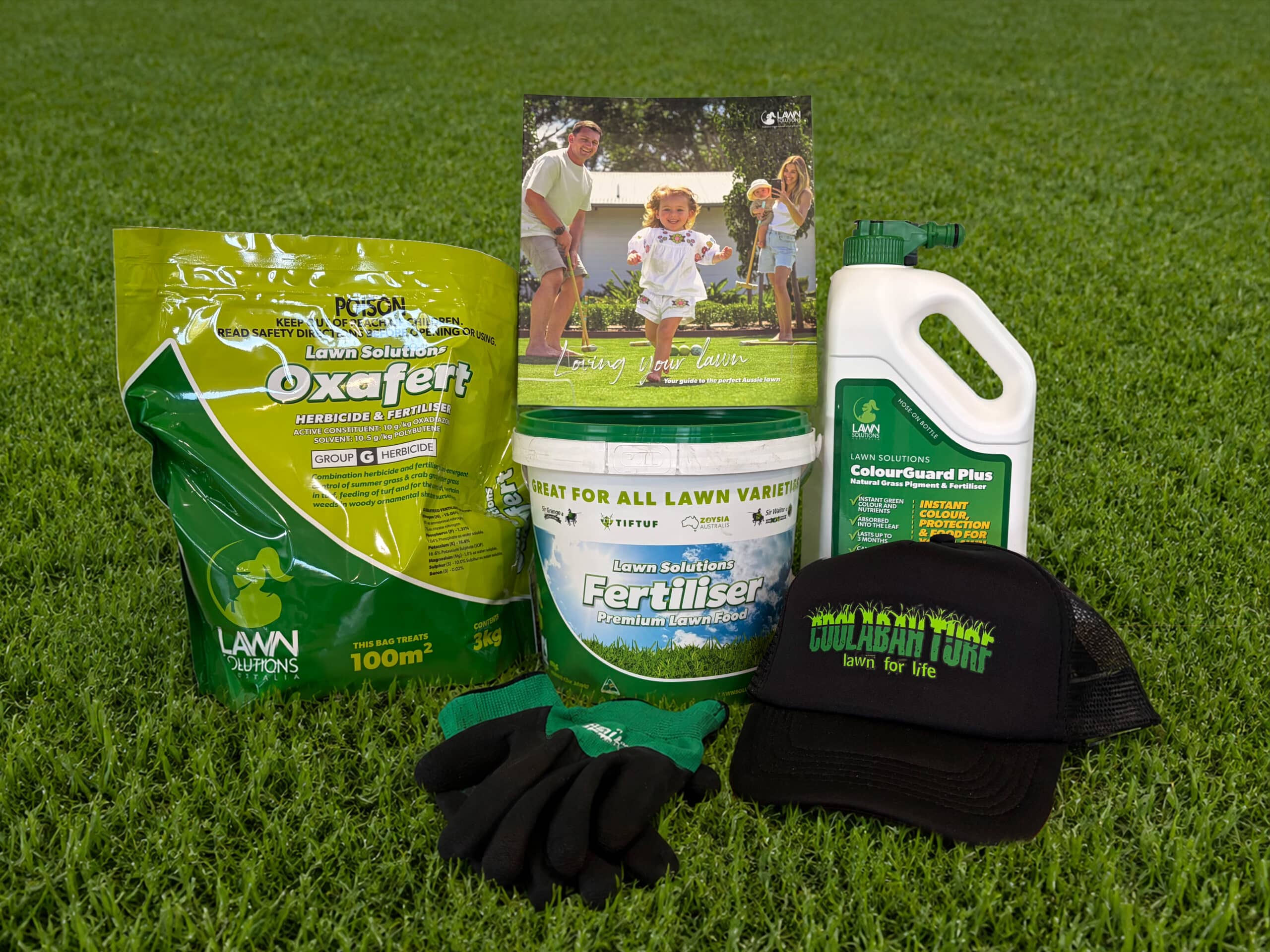
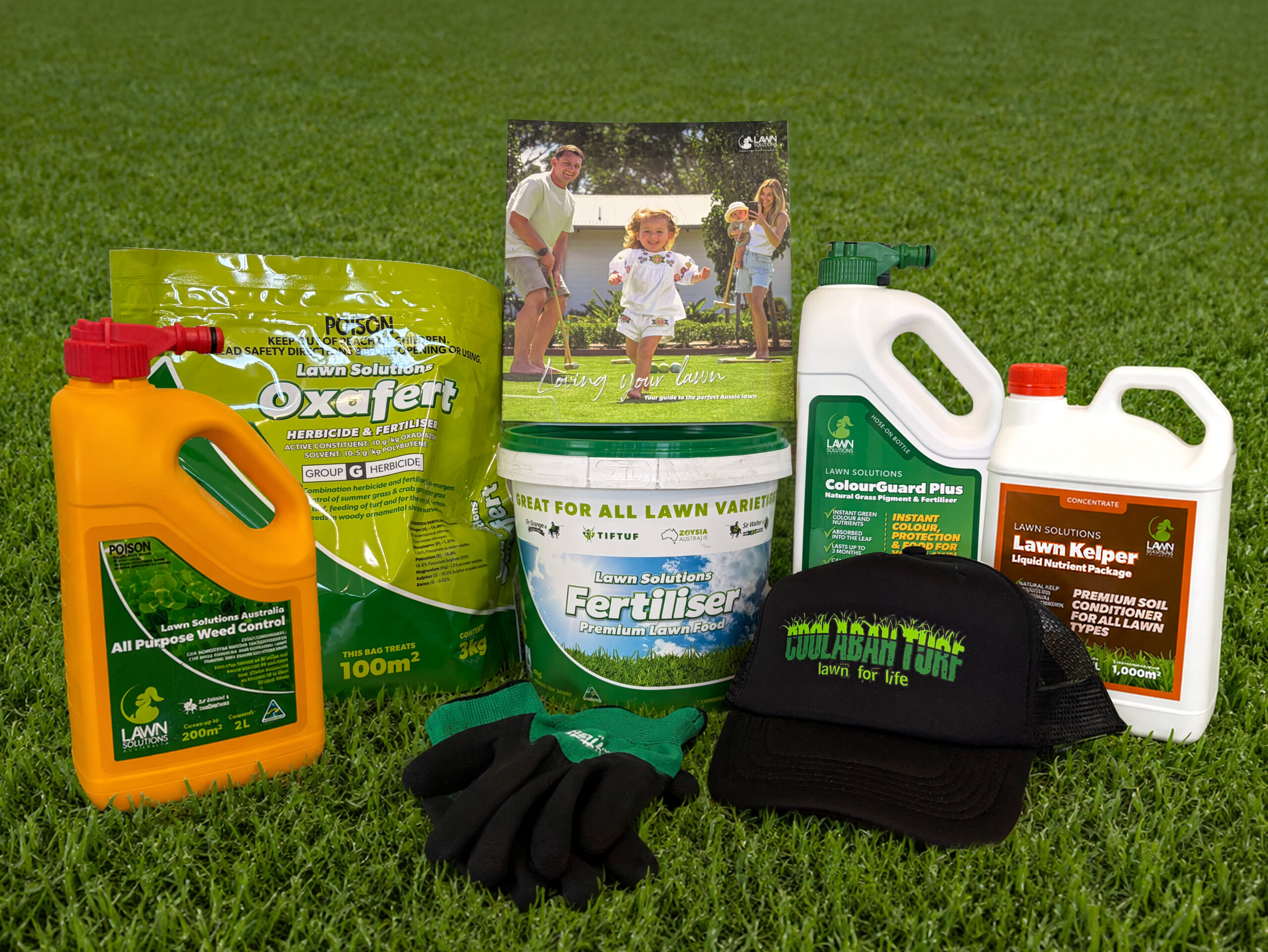
We recommend you use a high NPK fertiliser, specifically one with high levels of nitrogen, phosphorus and potassium. The LSA Fertiliser Premium Lawn Food is a good option and is going to improve the overall health and growth of your lawn while making it a nitrogen-rich environment that clover won’t be able to stand.
Just remember to always read the label for the best advice on application rates and be sure to water-in well after spreading on your lawn. We guarantee that after one or more applications your lawn should be in great condition, with significantly less clover action.
David Grays Dart
David Grays Dart is a selective herbicide designed to target common lawn weeds, including white clover, bindii, cat’s ears, creeping oxalis, cudweed, plantain and capeweed. It is safe to use on most lawn varieties, including Buffalo, Couch and Kikuyu turf, although some temporary discolouration may occur on Kikuyu after spraying. Dart also contains Diflufenican, which can provide weed control for up to three months.
LSA All Purpose Weed Control
LSA All Purpose Weed Control can keep control of most common weeds, not just your pesky clover! It’s a ready-to-use herbicide agent specifically developed for use on home lawns. It even has a handy clip-on hose attachment, so it’s very easy to use.
If you have more questions about clover or the health of your lawn, our team at Coolabah Turf are more than happy to help. You can get in touch with us here.